What Is KYT in Blockchain and Crypto?
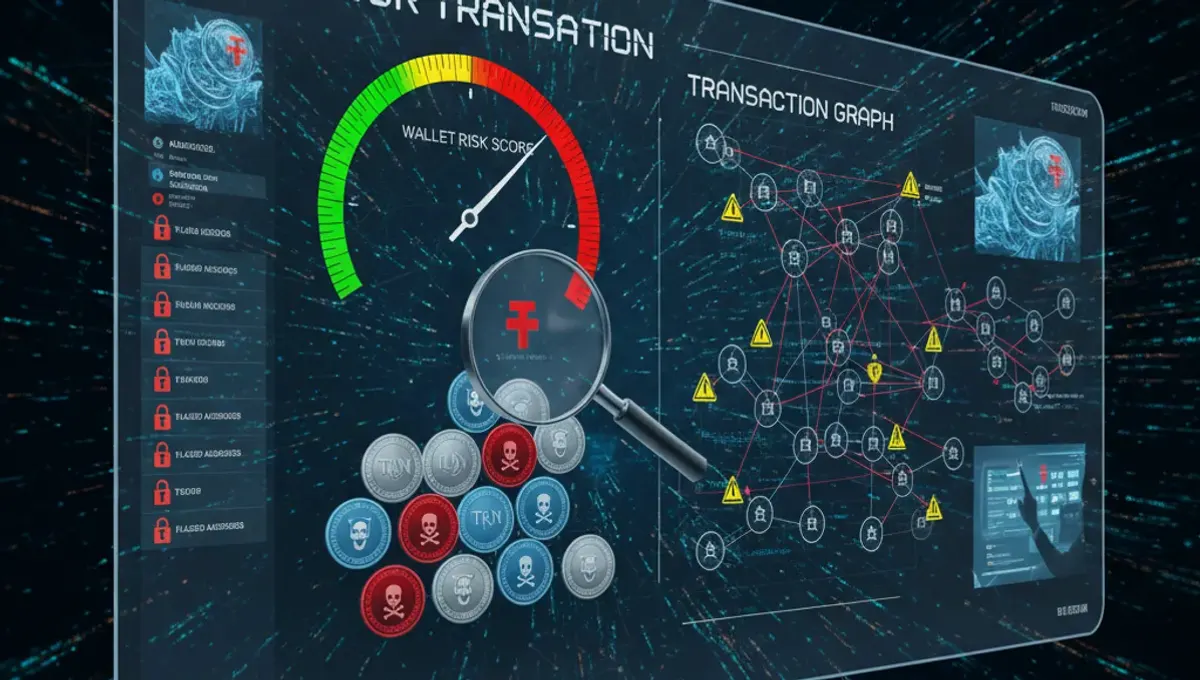
KYT (Know Your Transaction) is a compliance framework that monitors blockchain transactions in real time or retrospectively to assess risk. Unlike KYC (Know Your Customer), which verifies identity, KYT focuses on transaction patterns, fund sources, and destination addresses. In crypto, KYT blockchain systems analyze whether coins have been mixed, sent through darknet markets, stolen, or linked to sanctioned entities. Exchanges, custodians, and payment processors use KYT crypto screening to decide whether to accept or reject a deposit. A single transaction can carry multiple risk signals: if USDT or Bitcoin moves through a mixer, then to a gambling site, then to your wallet, that chain of events raises the risk score. KYT meaning in crypto is straightforward: it's the automated detection of transaction risk so compliance teams can act before regulators do.
How Does KYT Blockchain Transaction Monitoring Work?
KYT blockchain monitoring operates by tracking every on-chain movement of a coin or token. When you receive USDT (TRC20), Bitcoin, or Ethereum, a KYT system traces the transaction backward through the blockchain to map its history. The system checks each prior address against risk databases: darknet markets, known theft addresses, sanctioned entity wallets, mixing services, and gambling platforms. Each risk category adds points to a cumulative risk score. For example, if coins passed through a CoinJoin mixer 3 hops ago, the score increases. If they came from a Ponzi scheme address, the score jumps higher. The blockchain transaction monitoring engine also flags velocity (how fast coins move between addresses), clustering (multiple addresses controlled by one entity), and timing anomalies. The final KYT risk score is typically expressed as a percentage or level (low, medium, high, critical). Exchanges and custodians set thresholds: many reject deposits scoring above 50–70%, while others accept up to 80% depending on their compliance appetite.
KYT Crypto Risk Score Levels and What They Mean
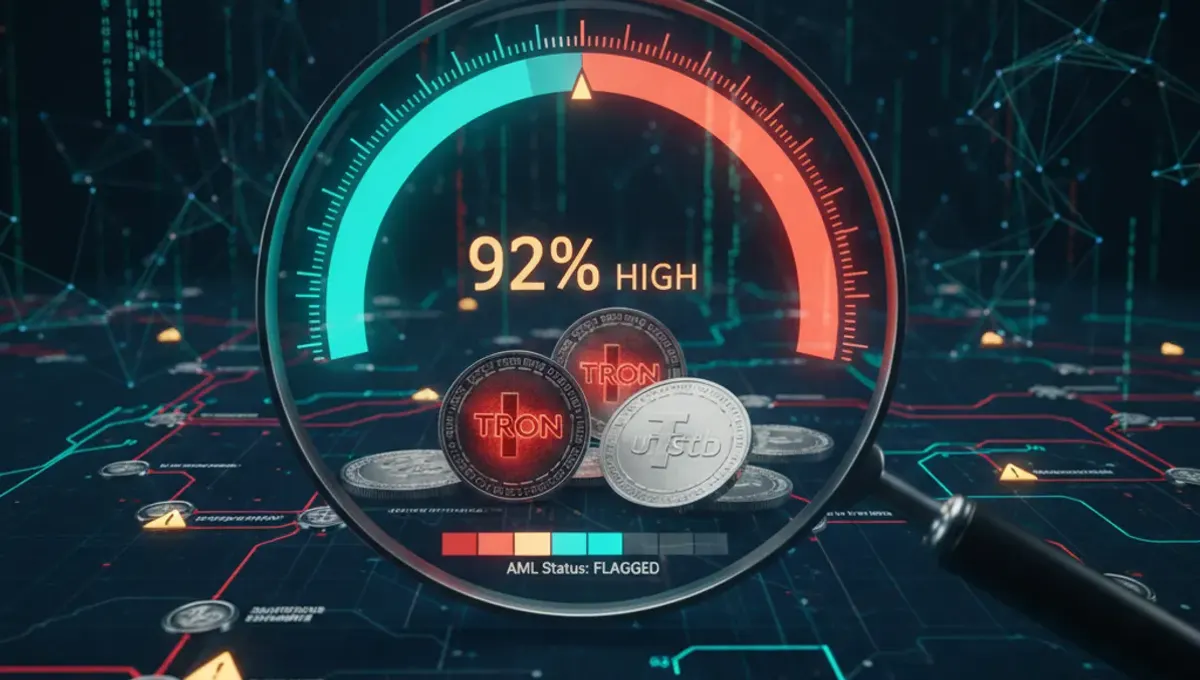
A KYT crypto risk score reflects the likelihood that a transaction or wallet is involved in illegal activity or regulatory violation. Scores are usually expressed as percentages or categorical levels:
- Low (0–20%): Coins have clean history, no mixer exposure, no darknet links, no theft flags. Safe to accept.
- Medium (21–50%): Minor risk signals, such as one old transaction through a privacy service or a single address with low-volume gambling activity. Acceptable for most businesses if due diligence is documented.
- High (51–80%): Significant risk: multiple mixer hops, darknet market exposure, or links to stolen funds. Many exchanges reject these. Requires investigation before acceptance.
- Critical (81–100%): Coins directly from darknet markets, sanctioned entities, active theft addresses, or ongoing mixing. Reject immediately; accepting creates regulatory and legal liability.
KYT meaning in the context of risk scoring is that the score is not a binary yes/no, but a graduated measure of compliance burden. A medium-risk transaction may be acceptable with documentation; a critical-risk transaction is never acceptable.
How to Check a Wallet or Transaction for KYT Blockchain Risk
To check a wallet or incoming transaction for KYT blockchain risk, follow these steps:
- Collect the wallet address or transaction hash (TXID) you want to screen.
- Visit a blockchain transaction monitoring service. Our curated list of verified AML services includes tools that perform KYT screening for USDT (TRC20), Bitcoin, Ethereum, and Tron addresses.
- Paste the address or TXID into the search field.
- The service will return a risk score, transaction history, and flagged risk categories (mixer exposure, darknet links, theft, sanctions, etc.).
- Review the report: if the score is low or medium and the risk factors are acceptable to your compliance policy, proceed. If high or critical, reject the transaction or escalate to your compliance team.
- Document the screening result for audit purposes.
For ongoing monitoring, many services offer batch screening (upload multiple addresses) or API integration so transactions are checked automatically before settlement. This prevents frozen USDT or exchange account bans caused by receiving tainted coins.
KYT Blockchain vs. Traditional AML Checks: Key Differences
KYT blockchain monitoring and traditional AML (Anti-Money Laundering) checks serve different purposes but often work together:
- KYT focuses on transaction history and on-chain behavior; AML checks focus on customer identity and compliance documentation.
- KYT is automated and real-time; traditional AML often involves manual review and paperwork.
- KYT detects tainted coins and darknet exposure; AML detects PEPs (politically exposed persons), sanctions list matches, and customer risk profiles.
- KYT is transaction-level; AML is customer-level.
For crypto businesses, both are necessary. A customer may pass KYC (identity verified) but send a transaction with a critical KYT score (coins from a mixer). Conversely, a customer may have low AML risk but receive stolen funds that trigger a high KYT score. Blockchain transaction monitoring complements traditional AML by adding a layer of real-time, on-chain visibility that traditional systems cannot provide.
Common KYT Risk Categories and What They Signal
KYT blockchain systems flag transactions based on specific risk categories:
- Mixers and Privacy Services: Coins passed through CoinJoin, Tornado Cash, or similar services. High risk because mixing obscures fund sources.
- Darknet Markets: Addresses linked to Silk Road, AlphaBay, or current darknet exchanges. Critical risk; regulatory violation to accept.
- Stolen Funds: Coins traced to known theft addresses (exchange hacks, wallet compromises). Critical risk.
- Sanctions Lists: Addresses linked to OFAC-sanctioned entities or countries. Accepting is a federal violation.
- Gambling Platforms: Coins from or to gambling sites. Medium to high risk depending on jurisdiction and amount.
- Scams and Fraud: Addresses associated with Ponzi schemes, rug pulls, or phishing. High risk.
- Ransomware: Coins paid as ransom. Critical risk; accepting may trigger law enforcement action.
Each category is weighted differently by compliance teams. Mixer exposure might be acceptable in some jurisdictions; darknet or sanctions exposure is never acceptable.
What to Do If Your Coins Are Flagged as High-Risk by KYT Screening
If a KYT blockchain check returns a high or critical risk score on coins you own or plan to receive, take these steps:
- Do not deposit the coins to an exchange without investigating further. Exchanges will freeze the account or reject the transaction.
- Request a detailed report from the KYT service explaining which risk factors triggered the score. Review the transaction history yourself on a blockchain explorer.
- If the risk is a false positive (e.g., coins passed through a legitimate privacy service years ago), document your findings and contact the exchange's compliance team with evidence.
- If the risk is real (coins from a mixer, darknet, or theft), do not attempt to deposit them. Holding or moving them further may expose you to civil asset forfeiture or criminal liability.
- For business purposes, consult your compliance officer or legal counsel before accepting any high-risk transaction.
The safest approach is to screen all incoming transactions before accepting them. Use the verified AML services listed on our site to check wallets and transactions proactively.
Frequently asked questions
What is the difference between KYT and KYC in crypto?
KYC (Know Your Customer) verifies user identity through documents and background checks. KYT (Know Your Transaction) monitors blockchain transactions for risk signals like mixer exposure, darknet links, and theft. KYC is customer-level compliance; KYT is transaction-level. Both are required for crypto businesses to prevent money laundering and regulatory violations.
Can I use KYT blockchain screening to check if my USDT or Bitcoin is tainted?
Yes. Paste your wallet address or transaction hash into a KYT screening service to receive a risk score and detailed report. The report shows whether your coins have mixer exposure, darknet links, theft flags, or sanctions connections. Low scores mean the coins are clean; high scores mean they carry compliance risk and may be rejected by exchanges.
What KYT risk score should I accept for a deposit?
Most exchanges reject deposits scoring above 50–70%. Low-risk scores (0–20%) are always safe. Medium scores (21–50%) may be acceptable if documented and your compliance policy allows it. High scores (51–80%) and critical scores (81–100%) should be rejected. Your threshold depends on your risk tolerance and jurisdiction.
Why did an exchange freeze my account after I deposited USDT?
Exchanges freeze accounts when incoming transactions trigger high KYT blockchain risk scores. Common causes are mixer exposure, darknet market links, or theft flags. To prevent this, screen all incoming transactions with a KYT service before depositing. If your account is frozen, contact the exchange's compliance team with a detailed transaction report.
Is KYT blockchain monitoring required by law?
KYT compliance is required for regulated crypto exchanges, custodians, and payment processors under AML/CFT (Anti-Money Laundering/Combating the Financing of Terrorism) regulations. Individual traders are not legally required to use KYT, but screening transactions before deposit prevents frozen accounts and regulatory risk. Many jurisdictions are moving toward mandatory KYT for all crypto service providers.