What Is the AML Check Process in Crypto
The AML check process in crypto involves analyzing a wallet's on-chain activity to assess whether it poses compliance or legal risk. Unlike traditional banking, where AML checks rely on customer identity verification, crypto AML checks focus on transaction patterns and fund sources. The process traces where coins have been, who has held them, and whether they've touched high-risk entities. This is called Know Your Transaction (KYT) screening. When you receive USDT on Tron or Bitcoin, running an AML check reveals whether those coins are clean or have been flagged by blockchain analytics firms. Exchanges, custodians, and payment processors use this data to decide whether to accept or freeze deposits. A single transaction through a mixer or darknet market can taint an entire wallet's history, making future transfers problematic.
How AML Risk Scoring Works
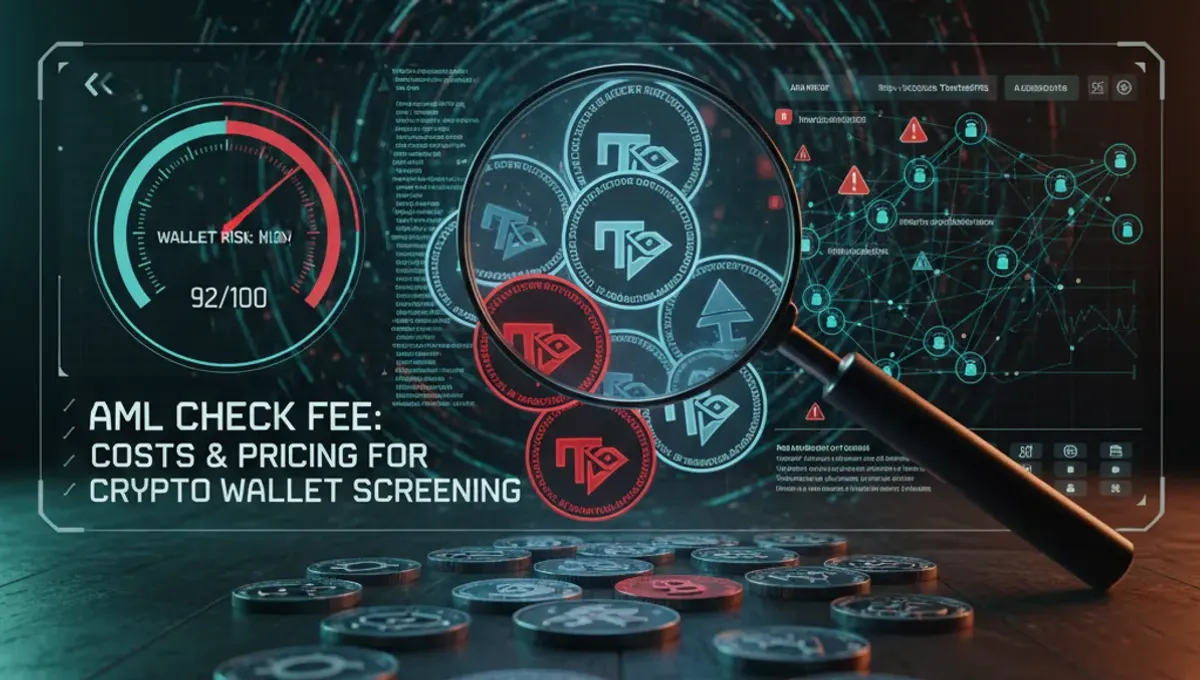
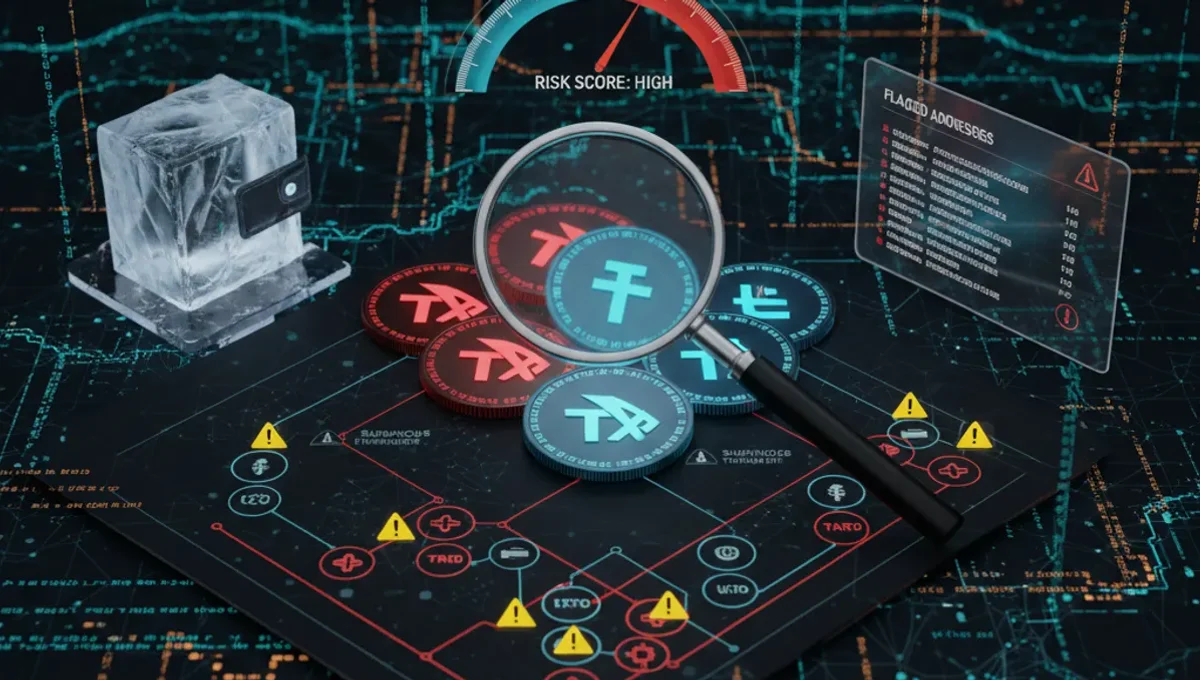
AML risk scores are numerical ratings assigned to wallets based on their transaction history and exposure to risky entities. Scores typically range from 0 (clean) to 100 (high risk), though some systems use percentage scales or categorical labels like low, medium, and high. The scoring algorithm examines several factors: direct transactions with known mixers or darknet markets, proximity to stolen funds, exposure to sanctioned addresses, gambling platform interactions, and the age and frequency of transactions. A wallet that received coins directly from a mixer will score higher than one with a long, transparent transaction history. Risk scores are not binary judgments—they reflect probability and exposure level. A score of 30 might indicate moderate risk but not automatic rejection, while a score of 80 typically triggers exchange freezes or mandatory investigation. Different platforms set different thresholds for acceptance, so a wallet flagged by one exchange might be acceptable to another.
Step-by-Step AML Check Process for Your Wallet
To perform an AML check on a crypto wallet, follow these steps:
1. Obtain the wallet address: Copy the full address of the wallet you want to screen (e.g., a Tron TRC20 address, Bitcoin address, or Ethereum address).
2. Choose a screening service: Use a trusted AML check service that provides wallet screening and KYT risk scores. Our curated list of verified AML services on this site includes platforms that offer transparent risk scoring and compliance reporting.
3. Enter the address: Paste the wallet address into the screening tool and initiate the scan.
4. Review the risk score: The service will return a risk score and a summary of findings. Check whether the wallet has been flagged for mixer exposure, darknet activity, or sanctions list matches.
5. Examine transaction history: Review the detailed transaction report to understand where the risk comes from. Look for specific red flags like direct transfers from known mixers or gambling platforms.
6. Make a decision: Based on the risk score and your compliance policy, decide whether to accept the deposit, request additional documentation, or reject it.
7. Document the check: Keep records of the AML check for audit and regulatory purposes.
AML Check Requirements and Compliance Standards
AML check requirements vary by jurisdiction and business type, but most regulated entities must screen wallets before accepting deposits. In many countries, financial institutions and crypto exchanges are required by law to perform KYT checks on incoming transactions above certain thresholds. The requirements typically include: identifying the source of funds, assessing whether the wallet is associated with sanctions lists, checking for exposure to illegal markets, and documenting the screening process. For USDT on Tron or Bitcoin transfers, the AML check requirement depends on your role—if you're a custodian or exchange, screening is mandatory; if you're a private user, it's optional but recommended to avoid receiving stolen or tainted coins. Some jurisdictions impose specific AML check fees or reporting obligations. Compliance standards are set by organizations like the Financial Action Task Force (FATF), which publishes guidance on crypto asset screening. Failing to perform adequate AML checks can result in regulatory penalties, frozen accounts, or legal liability if you knowingly accept stolen funds.
AML Check Fee Structures and Cost Considerations
AML check fees vary widely depending on the service provider and the type of screening. Some services offer free basic wallet checks with limited information, while comprehensive KYT reports with detailed transaction analysis typically cost between a few dollars and several hundred dollars per check. Factors affecting AML check fees include: the number of addresses screened, the depth of historical analysis (how far back the service traces transactions), the inclusion of sanctions list matching, and whether you need a compliance report for regulatory filing. Bulk screening discounts are common for businesses that perform many checks monthly. Some platforms charge per-transaction fees, while others offer subscription models with unlimited checks. When evaluating AML check cost, consider the value of risk mitigation—a single frozen account due to inadequate screening can cost far more than preventive AML checks. Many verified AML services listed on our site offer transparent pricing and free trial checks, allowing you to compare options before committing.
AML Check for Tron and USDT TRC20 Addresses
Screening Tron addresses and USDT TRC20 tokens requires the same AML check process as other blockchains, but with specific considerations for the Tron ecosystem. Tron's high transaction volume and lower fees have made it attractive for both legitimate users and those seeking to move tainted funds quickly. When you perform an AML check on a Tron address, the screening tool examines all TRC20 token transfers, not just TRX native tokens. USDT on Tron is particularly important to screen because it's widely used for cross-border payments and is frequently involved in compliance incidents. The AML check process for Tron addresses includes: identifying whether the address has interacted with known Tron-based mixers, checking for exposure to Tron gambling platforms, and tracing whether USDT transfers originated from sanctioned entities or darknet markets. Tron addresses can be screened using the same verified AML services that handle Bitcoin and Ethereum, though you should confirm the service supports Tron before starting your check.
What to Do If Your Wallet Fails an AML Check
If your wallet receives a high risk score or fails an AML check, take these steps: First, understand the specific reason for the flag—was it mixer exposure, darknet activity, sanctions list match, or stolen fund association. Review your transaction history to identify which transaction caused the issue. If the flag is incorrect or the risk is outdated, contact the exchange or service that rejected your deposit and provide additional documentation explaining the source of funds. Some exchanges allow you to appeal a freeze or rejection with proof of legitimate ownership and transaction history. If your wallet genuinely received tainted coins, you have limited options—most exchanges will not accept the deposit, and attempting to move the coins to another wallet will not remove the flag (the risk follows the coins on-chain). In this case, consult a compliance specialist or legal advisor about your options. Going forward, perform AML checks on wallets before receiving deposits to avoid this situation. Use the trusted AML services on our verified list to screen addresses proactively and maintain clean transaction histories.
Frequently asked questions
How long does an AML check process take
Most AML checks complete within seconds to a few minutes. Real-time screening tools scan the wallet address against sanctions lists and mixer databases instantly. Detailed compliance reports with full transaction history may take 5–30 minutes. Some services offer expedited checks for urgent compliance needs, though standard checks are fast enough for most deposit scenarios.
What is an acceptable AML risk score for receiving crypto
Most exchanges accept wallets with risk scores below 30–40, though thresholds vary. Scores above 50 typically trigger additional review or rejection. Your acceptable threshold depends on your compliance policy and risk tolerance. Conservative custodians may reject anything above 20, while some platforms accept scores up to 60 with documentation. Always check your exchange's specific policy.
Can I check a crypto wallet for free
Yes, many AML check services offer free basic screening with limited information. Free checks usually provide a risk score and general flags but may not include detailed transaction history or sanctions list matching. For comprehensive AML checks with full compliance reports, paid services are more reliable. Compare free and paid options on our verified AML services list to find the right fit.
What does it mean if a wallet is flagged for mixer exposure
Mixer exposure means the wallet has received or sent coins through a mixing service designed to obscure transaction trails. This flag indicates higher compliance risk because mixers are often used to launder funds or hide illicit activity. Exchanges typically reject or freeze wallets with direct mixer exposure. The risk level depends on the amount and timing of the mixer transaction.
Do I need an AML check for every crypto deposit
If you're a regulated exchange, custodian, or payment processor, yes—AML checks are mandatory for compliance. If you're a private user, checks are optional but recommended to avoid receiving stolen or tainted coins. Performing AML checks on incoming deposits protects you from regulatory liability and prevents account freezes. Use verified AML services to screen wallets before accepting significant transfers.