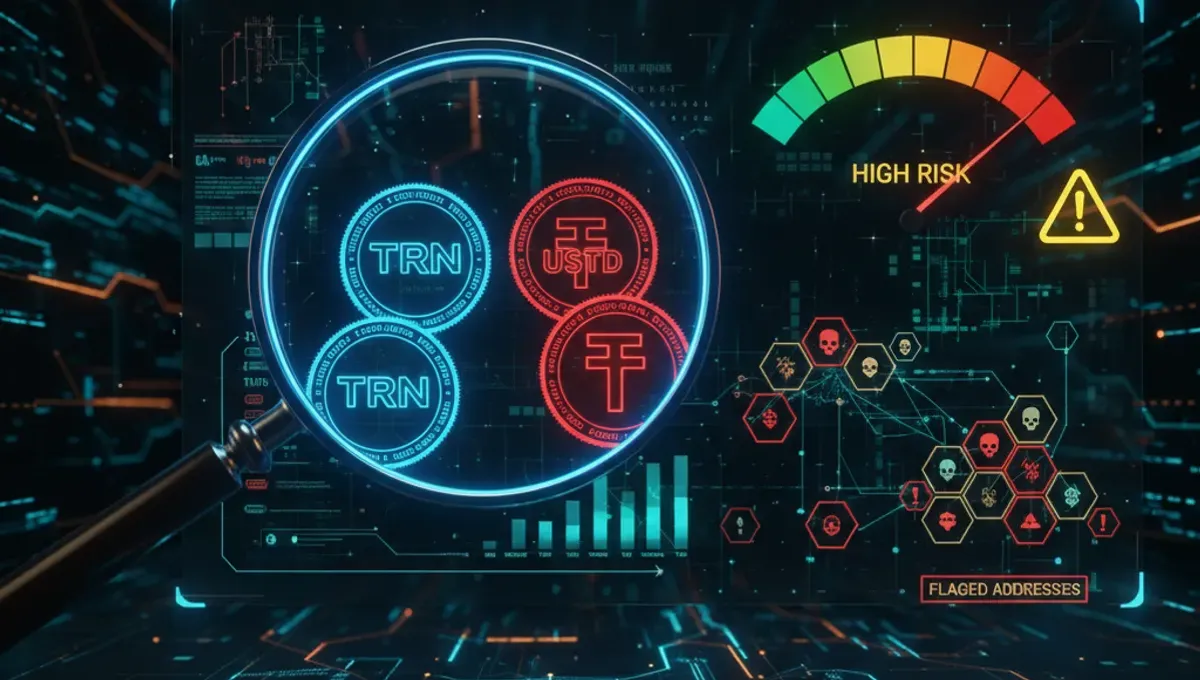
What Is an AML Crypto Check and Why You Need One
An AML (Anti-Money Laundering) crypto check is a wallet screening tool that analyzes a blockchain address for compliance risk. It cross-references the address against known risk categories: darknet markets, mixing services, theft proceeds, gambling platforms, and sanctioned entities. When you perform an AML crypto wallet check, the tool returns a risk score and a summary of any flagged activity. This protects you because exchanges and custodians increasingly freeze deposits linked to high-risk wallets. A single transaction from a tainted address can trigger account holds or require you to prove the source of funds. Free AML crypto checks typically scan one or a few addresses per month, making them useful for spot-checking before major transactions.
How Risk Scores Work in Crypto Compliance
Risk scores are numerical ratings that indicate the likelihood a wallet has been involved in illicit or high-risk activity. Most platforms use a scale from 0 (clean) to 100 (high risk). A score of 0–20 usually means the address is low-risk and has minimal darknet or mixer exposure. Scores of 21–50 suggest moderate risk, such as interaction with gambling platforms or unconfirmed mixing activity. Scores above 50 flag serious concerns: direct darknet ties, theft proceeds, or sanctions exposure. When you run an AML crypto check free, the score is calculated by analyzing the address's transaction history on the blockchain. The tool looks for patterns: does the wallet send funds to known mixers, receive from darknet markets, or appear on sanctions lists. Understanding these thresholds helps you decide whether to accept a deposit or investigate further before proceeding.
Step-by-Step: How to Check a Wallet Before Receiving USDT or TRX
Follow these steps to perform a free AML crypto wallet check:
- Obtain the wallet address you want to screen (copy the full address, including the checksum if applicable).
- Visit a compliance platform offering free AML checks—our curated list of verified AML services includes tools that offer limited free scans.
- Paste the address into the search field and select the blockchain (Tron for TRX/USDT TRC20, Bitcoin for BTC, Ethereum for ETH).
- Run the scan. The tool will analyze the address against its risk database.
- Review the risk score and any flagged categories (darknet, mixer, theft, sanctions, gambling).
- Check the transaction history summary to see which addresses or entities the wallet has interacted with.
- Decide: if the score is low (under 20) and no major flags appear, the wallet is likely safe. If the score is high or multiple risk categories are flagged, ask the sender for clarification or decline the transaction.
Most free checks are limited to a few scans per month, so use them strategically for high-value or unfamiliar transactions.
What Risk Categories Mean for Your Deposits
When an AML crypto check free scan flags a wallet, it assigns risk categories. Here's what each means:
Darknet Markets: The address has received funds from or sent to known darknet marketplaces. This is a major red flag for exchanges and custodians.
Mixing Services: The wallet has interacted with coin mixers or tumblers designed to obscure transaction trails. Exchanges treat mixer exposure as high-risk.
Theft Proceeds: The address is linked to stolen funds from hacks, scams, or fraud. Receiving stolen crypto can result in account freezes and legal liability.
Sanctions: The wallet appears on international sanctions lists (OFAC, EU, UN). Transacting with sanctioned addresses violates compliance law in most jurisdictions.
Gambling: The address has sent or received funds from gambling platforms. Some exchanges flag this as moderate risk depending on their policy.
Scam or Fraud: The wallet is associated with known scam schemes or Ponzi operations.
Each category carries different weight. Sanctions and theft are deal-breakers; darknet and mixer exposure usually trigger enhanced due diligence or rejection. Gambling and unconfirmed scam flags are lower-risk but still warrant caution.
Free vs. Paid AML Crypto Check Services
Free AML crypto checks offer basic screening but come with limits. A free tier typically allows 1–5 scans per month and returns a risk score plus general category flags. You won't get detailed transaction graphs, historical data, or ongoing monitoring. Paid services unlock unlimited checks, detailed transaction analysis, API access for automated screening, and real-time alerts. For individuals and small businesses, a free AML crypto check is sufficient for occasional wallet verification. For exchanges, custodians, and high-volume traders, paid plans are necessary. Our site curates verified AML services that offer both free and paid tiers—start there to compare options and find a tool that matches your screening needs. Most reputable platforms let you test the free version before committing to a subscription.
What to Do If Your Wallet Is Flagged as High-Risk
If an AML crypto check flags your wallet as high-risk, take these steps:
- Review the flags: Check which risk categories were triggered. If it's a false positive (e.g., you received funds from a legitimate source that the tool misidentified), document the source.
- Contact your exchange or custodian: If you're concerned about account freezes, proactively reach out with proof of the transaction's legitimacy. Provide invoices, contracts, or correspondence showing the funds are lawful.
- Investigate your transaction history: Look at your blockchain activity. Did you interact with a mixer unknowingly? Did you receive funds from a compromised address? Trace the origin.
- Avoid future risk: Don't send flagged coins to exchanges or custodians. If the risk is unavoidable, use a compliant service that offers remediation or consult a compliance advisor.
- Consider a detailed AML report: Paid services provide comprehensive transaction graphs and can help you understand the exact source of the risk flag.
Being proactive prevents frozen USDT, account bans, and regulatory headaches. If you're unsure, ask the sender to re-send from a clean address.
Why Exchanges Freeze USDT and How AML Checks Prevent It
Exchanges freeze USDT and other deposits when they detect compliance risk. This happens because regulatory bodies (OFAC, FinCEN, local authorities) require exchanges to screen deposits for sanctions, theft, and illicit activity. When a wallet linked to darknet markets, stolen funds, or sanctioned entities sends USDT to an exchange, the exchange's automated systems flag the deposit. The exchange then freezes the account pending investigation. This can take days or weeks, and you may lose access to your funds entirely. Running a free AML crypto check before sending to an exchange prevents this. If you screen a wallet and see high-risk flags, don't send funds to it. If you're receiving funds, ask the sender to verify their wallet is clean. For businesses, integrating AML checks into your deposit workflow is essential. Our verified AML services list includes tools designed for this exact use case—screening wallets in real-time before accepting deposits.
Frequently asked questions
Is there a truly free AML crypto check for Telegram or other platforms?
Most AML platforms offer free scans via their web interface, not Telegram bots. Free tiers typically allow 1–5 checks per month. Telegram bots claiming to offer free AML checks are often unreliable or scams. Use verified platforms from our curated AML services list for safe, accurate screening.
What does a risk score of 50 mean for a crypto wallet?
A risk score of 50 indicates moderate-to-high risk. The wallet likely has exposure to darknet markets, mixing services, or unconfirmed illicit activity. Most exchanges will flag or freeze deposits from such addresses. Investigate the source before proceeding with any transaction.
Can I check a TRX or USDT TRC20 address for free?
Yes. Most free AML crypto checks support Tron (TRX) and USDT TRC20 addresses. Select the Tron blockchain when entering the address. The scan will reveal risk flags specific to that address's transaction history on the Tron network.
Will an AML check catch stolen USDT or tainted coins?
Yes, if the stolen funds have been reported to the AML platform's database. However, very recent theft may not appear immediately. Free checks provide a snapshot based on known risk data. For critical transactions, use paid services with real-time monitoring and detailed transaction graphs.
What happens if I receive crypto from a flagged wallet?
Your exchange may freeze the deposit pending investigation. You'll need to prove the source of funds is legitimate or the funds may be permanently held. To avoid this, screen wallets before accepting deposits and ask senders to re-send from clean addresses if flags appear.