What Is Scorechain and How Does It Work?
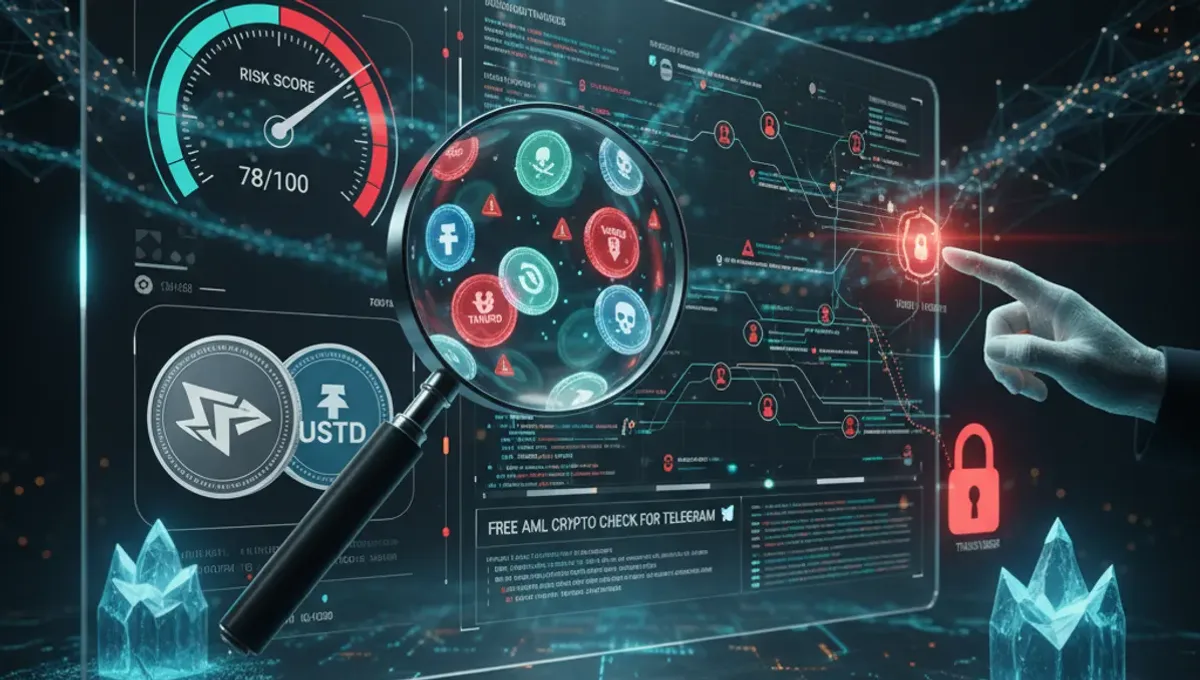
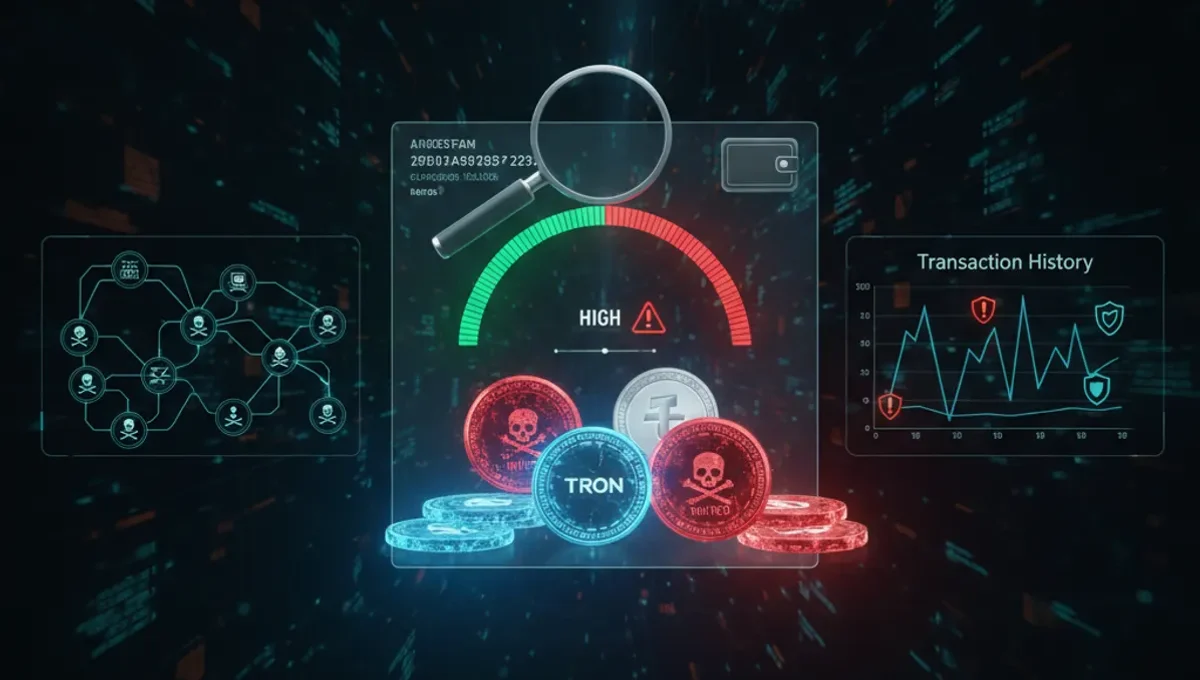
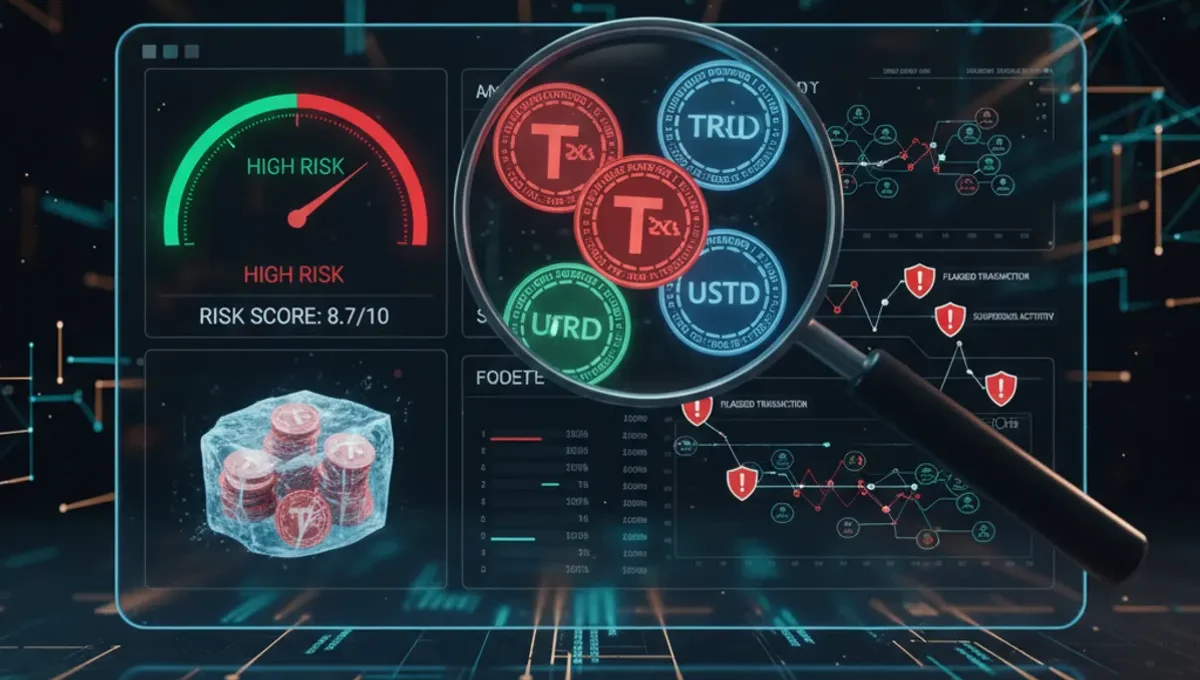
Scorechain is a blockchain analytics platform that provides AML crypto check services for Bitcoin, Ethereum, Tron, and other blockchains. It assigns risk scores to wallet addresses based on transaction history, cluster analysis, and exposure to known risk categories. The platform maintains databases of addresses linked to mixers, darknet markets, scams, stolen funds, and sanctioned entities. When you run a free AML crypto check, Scorechain compares the target wallet against these datasets and returns a risk score. The free tier typically allows limited daily checks; paid plans unlock higher query volumes and detailed forensic reports. The service is used by exchanges, custodians, and compliance teams to screen incoming deposits and flag high-risk wallets before funds settle.
How to Perform a Free AML Crypto Check on Scorechain
To run a free AML crypto check on Scorechain, follow these steps:
- Visit the Scorechain website and navigate to the free wallet screening tool.
- Select the blockchain (Bitcoin, Ethereum, Tron, etc.) from the dropdown menu.
- Paste the wallet address you want to check into the search field.
- Click 'Check' or 'Analyze' to submit the query.
- Wait for the risk assessment to complete (usually under 30 seconds).
- Review the risk score, risk level (low, medium, high, critical), and flagged categories.
- Examine the transaction history summary and any linked risk indicators.
The free version shows the overall risk score and primary risk flags. For deeper forensic details—such as exact transaction paths, cluster membership, and historical risk changes—you may need to upgrade to a paid plan. Always cross-reference results with your own due diligence and your exchange's compliance policies.
Understanding AML Risk Scores and What They Mean
Scorechain's risk score is a numerical rating (typically 0–100 or 0–1000, depending on the platform) that reflects the likelihood a wallet is associated with illicit activity or compliance violations. A lower score indicates lower risk; a higher score indicates higher risk. Risk levels are usually categorized as:
- Low: Score below 20–30. Minimal exposure to known risk categories. Safe for most transactions.
- Medium: Score 30–60. Some exposure to mixers, gambling, or unconfirmed risk signals. Review before accepting large deposits.
- High: Score 60–80. Strong indicators of mixer use, darknet exposure, or stolen fund history. Exercise caution; consider rejecting.
- Critical: Score above 80. Direct links to sanctioned entities, scams, ransomware, or theft. Reject unless compliance team approves.
These thresholds vary by jurisdiction and your organization's risk appetite. Exchanges and custodians typically set their own acceptable risk thresholds; some accept only low-risk wallets, while others tolerate medium-risk with additional monitoring.
Common Risk Flags in AML Crypto Checks
When you run a free AML crypto check, Scorechain flags wallets linked to specific risk categories. Common flags include:
- Mixer exposure: Funds routed through privacy mixers or tumblers.
- Darknet markets: Addresses associated with known darknet trading platforms.
- Stolen funds: Coins traced to theft, hacks, or fraud.
- Ransomware: Wallets receiving ransom payments.
- Sanctions: Addresses on OFAC or other government sanctions lists.
- Scams: Wallets tied to Ponzi schemes, rug pulls, or phishing.
- Gambling: Addresses linked to unregulated gambling platforms.
- Unconfirmed risk: Transactions with unknown or suspicious counterparties.
A single flag does not automatically mean the wallet is malicious; context matters. For example, a wallet may have received one transaction from a mixer years ago but has been dormant since. Your compliance team should evaluate the severity, recency, and transaction volume before deciding to reject or accept the wallet.
How to Check a Wallet Before Receiving USDT or TRX
Before accepting a USDT (TRC20) or TRX deposit, screen the sender's wallet address using a free AML crypto check:
- Ask the sender for their wallet address or request a transaction ID.
- Extract the sender's address from the blockchain (on Tron, use Tronscan; on Ethereum, use Etherscan).
- Run the address through Scorechain's free tool or another AML service listed on our verified AML Services page.
- Review the risk score and flags.
- If the score is low (below your threshold), accept the deposit.
- If the score is medium or high, contact your compliance team or the sender for clarification.
- If the score is critical or the wallet is sanctioned, reject the deposit and document the reason.
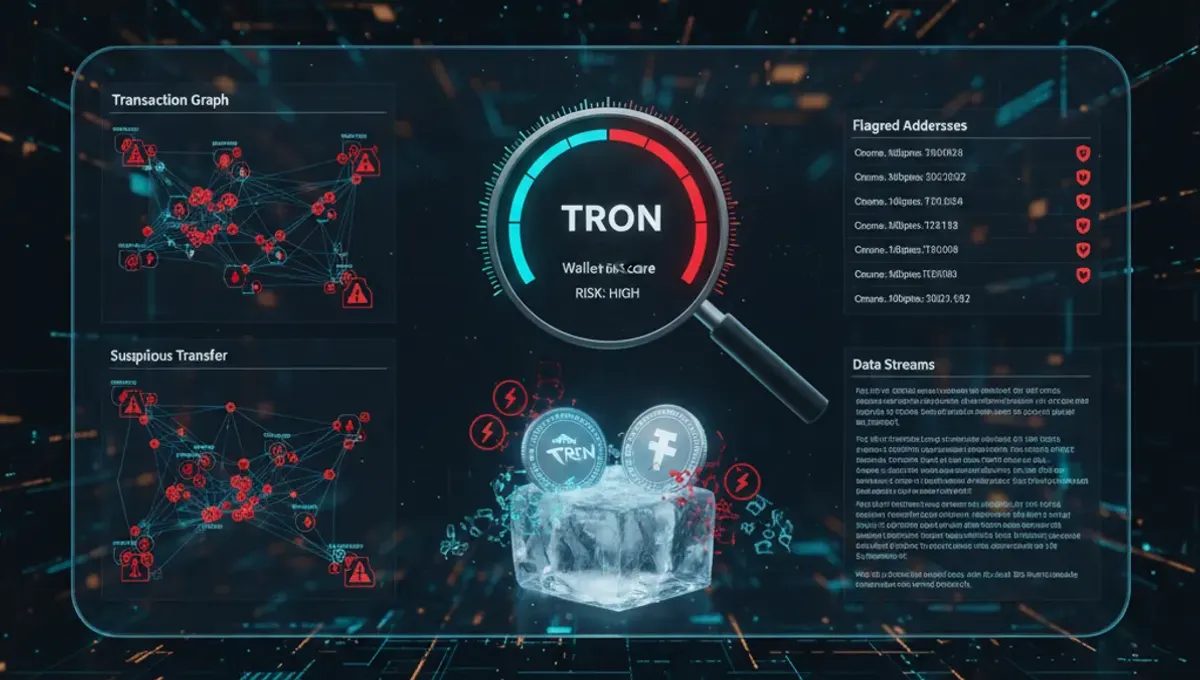
For USDT on Tron (TRC20), pay special attention to the transaction history and any mixer or darknet exposure, as Tron's lower fees make it attractive for high-volume illicit activity. Always verify the sender's identity independently if the amount is large.
What to Do If Your Coins Are Flagged as Dirty or High-Risk
If a free AML crypto check flags your coins as high-risk or tainted, take these steps:
- Do not panic. A flag does not mean your coins are stolen; it may indicate a transaction path through a mixer or a false positive.
- Review the specific flags and risk categories. Understand which activity triggered the score.
- Trace your transaction history. Use a blockchain explorer to see where the coins came from and where they went.
- Contact the sender or previous owner. Ask if they can explain the flagged activity (e.g., they used a mixer for privacy, not to hide illicit funds).
- Consult your exchange or custodian. They may have a process to review and override flags or may require additional documentation.
- Consider using a service on our AML Services page for a deeper forensic analysis if the amount is significant.
- If the coins are confirmed stolen or sanctioned, do not move them. Report to law enforcement if applicable.
Exchanges may freeze or reject deposits from high-risk wallets to comply with AML/KYC regulations. Proactive screening with a free AML crypto check helps you avoid this.
Comparing Free vs. Paid AML Crypto Check Options
Free AML crypto checks offer basic risk scoring and flag detection but come with limits. Paid plans unlock deeper analysis and higher query volumes. Here's what to expect:
Free tier: Typically 1–10 checks per day, basic risk score, primary risk flags, no detailed transaction forensics, no API access.
Paid tier: Unlimited or high-volume checks, detailed risk reports, transaction path analysis, cluster membership data, historical risk tracking, API integration, priority support.
For individuals checking a single wallet before receiving a deposit, the free tier is usually sufficient. For businesses, exchanges, or compliance teams processing many wallets daily, a paid plan is necessary. Our curated AML Services page lists verified providers offering both free and paid options; start there to compare features and pricing without committing to a subscription.
Frequently asked questions
Is Scorechain's free AML crypto check really free?
Yes, Scorechain offers a free tier that allows you to run a limited number of wallet checks per day (typically 1–10) without paying. The free version shows the risk score and primary risk flags. Paid plans unlock unlimited checks and detailed forensic reports. For occasional wallet screening before deposits, the free tier is sufficient.
Can I use a free AML crypto check on Telegram?
Some AML services offer Telegram bots that allow you to check wallets directly in chat. However, most free AML crypto checks are performed via web interface. If you need Telegram integration, check the AML Services page on this site for providers offering bot access. Always verify the bot is official before entering sensitive data.
What does a critical risk score mean in an AML crypto check?
A critical risk score (typically above 80 on a 0–100 scale) indicates strong evidence of illicit activity, such as direct links to sanctioned entities, ransomware, theft, or darknet markets. You should reject deposits from critical-risk wallets unless your compliance team explicitly approves. Accepting funds from sanctioned addresses can result in account freezes and regulatory penalties.
How accurate are free AML crypto checks?
Free AML crypto checks are generally accurate for flagging known risk categories (mixers, darknet, sanctions), but they can produce false positives. A wallet may be flagged for receiving one transaction from a mixer years ago. Always review the specific flags and context before rejecting a wallet. For high-value transactions, consider a paid forensic analysis.
Can I check a USDT TRC20 address with a free AML crypto check?
Yes, you can check USDT TRC20 addresses using Scorechain or other AML services that support Tron. Select Tron as the blockchain, paste the wallet address, and run the check. The risk score reflects the wallet's transaction history on the Tron network, including any USDT transfers, mixer exposure, or darknet activity.