What Are AML Transaction Monitoring Rules?
AML transaction monitoring rules are sets of criteria that exchanges, custodians, and compliance teams apply to every transaction on the blockchain. They scan wallet addresses, transaction amounts, frequency, and counterparty history against sanctions lists, darknet databases, and behavioral patterns. A transaction may trigger a rule if it involves a known mixer, a wallet linked to a scam, funds from a sanctioned entity, or unusual volume spikes. These cryptocurrency transaction monitoring rules operate continuously and automatically, generating risk scores that determine whether a transaction proceeds, gets delayed for review, or is blocked entirely. The rules vary by jurisdiction and institution, but most follow guidance from financial action task force standards adapted for blockchain.
How Do Crypto Transaction Monitoring Rules Work?
Blockchain transaction monitoring works by analyzing on-chain data in real time. When you send or receive crypto, the transaction is broadcast to the network, recorded on the ledger, and immediately scanned by monitoring tools. These tools check:
- Wallet address reputation: Is the sender or receiver linked to known risk sources (mixers, darknet markets, theft, sanctions)?
- Transaction amount: Does the size match typical behavior, or is it an outlier that suggests layering or structuring?
- Transaction frequency: Are multiple rapid transfers occurring, which may indicate money laundering?
- Time patterns: Do transfers happen at unusual hours or in unusual sequences?
- Counterparty screening: Are both parties' addresses flagged in any compliance database?
Each criterion is weighted and combined into a composite risk score. Cryptocurrency transaction monitoring systems then compare this score against the institution's thresholds. If the score exceeds the threshold, the transaction is held, reviewed by a compliance officer, or rejected. This process typically takes seconds to minutes.
What Risk Score Thresholds Mean for Your Transactions
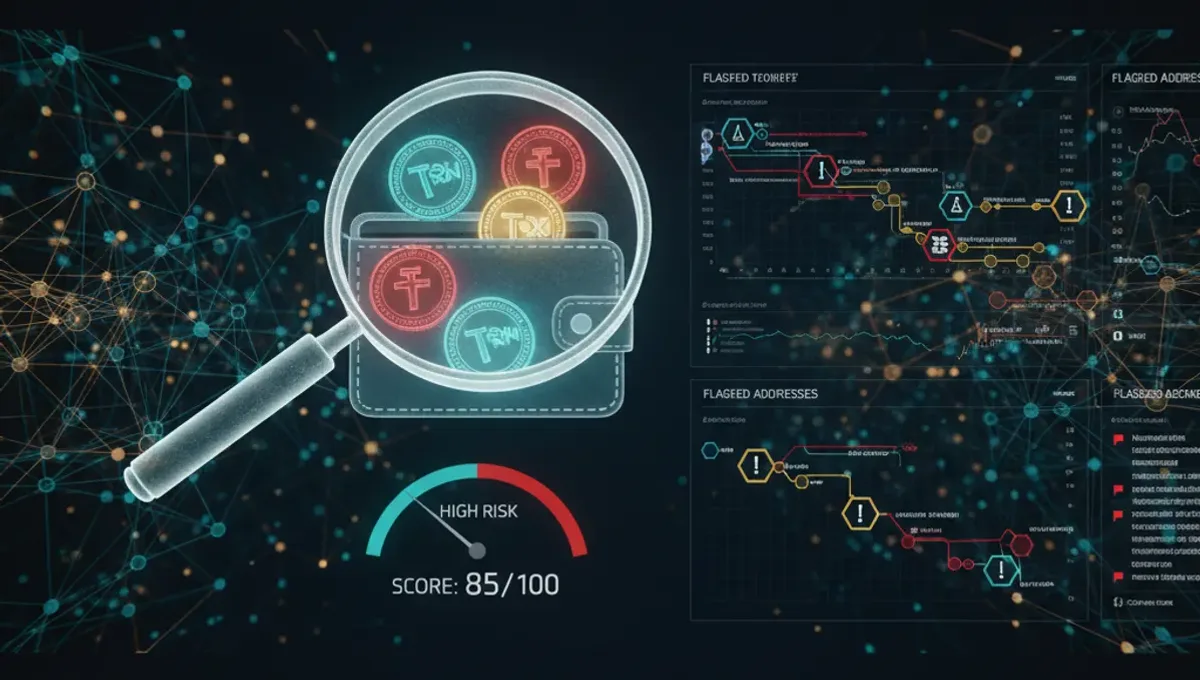
Risk scores are numerical ratings, usually on a scale of 0–100 or 0–1000, that indicate the likelihood a transaction is connected to illicit activity. Most platforms use these tiers:
- Low risk (0–30): Minimal compliance concern; transaction usually proceeds immediately.
- Medium risk (31–70): Warrants review; may be delayed 1–24 hours while a compliance team investigates the wallet history and transaction context.
- High risk (71–100): Significant red flags; transaction is often blocked or requires explicit approval from compliance leadership.
Thresholds differ by institution. A conservative exchange may block anything above 50; a more permissive platform may allow scores up to 75. Acceptable risk score thresholds depend on your business model: a retail exchange handling small deposits may tolerate higher scores than an institutional custodian. Before receiving USDT or TRX, check the incoming wallet's risk score through a trusted AML service to avoid receiving tainted coins that could trigger a freeze on your own account.
Common Transaction Monitoring Rules and Red Flags
Transaction monitoring cryptocurrency systems flag specific patterns and sources:
- Mixer involvement: Transactions routed through privacy mixers are high-risk because they obscure the source of funds.
- Darknet market exposure: Wallets with transaction history involving known darknet marketplaces trigger automatic holds.
- Stolen funds: Addresses flagged as recipients of theft or ransomware proceeds are blocked by most platforms.
- Sanctioned entities: Transactions involving wallets linked to OFAC sanctions lists or other government blacklists are rejected outright.
- Gambling and high-risk services: Some platforms flag transfers to known gambling sites or unregulated lending protocols.
- Structuring: Multiple small transactions designed to evade monitoring thresholds are flagged as suspicious.
- Rapid movement: Funds that arrive and leave a wallet within minutes may indicate layering or money laundering.
- Unusual volume: A wallet that suddenly receives 10x its typical monthly volume in a single transaction is reviewed.
These rules are applied automatically by blockchain transaction monitoring tools, but compliance teams also review flagged transactions manually to reduce false positives.
How to Check a Wallet Before Receiving Crypto
Before accepting USDT, TRX, BTC, or ETH from an external wallet, screen it to avoid frozen deposits:
- Collect the sender's wallet address.
- Visit a trusted AML service (our curated AML Services list includes verified providers that offer wallet screening for Tron, Ethereum, Bitcoin, and other blockchains).
- Enter the address and run a scan.
- Review the risk score and detailed report, which shows transaction history, known associations, and any sanctions or darknet flags.
- If the score is low (0–30), accept the transfer.
- If the score is medium (31–70), contact the sender to confirm the wallet's legitimacy and recent activity.
- If the score is high (71–100), reject the transfer or escalate to compliance.
This process takes 2–5 minutes and prevents you from receiving tainted coins. Many exchanges and custodians perform this check automatically on deposits, but proactive screening gives you control and transparency.
What Happens When a Transaction Exceeds Monitoring Thresholds
When a transaction triggers an AML rule and exceeds the platform's risk threshold, several outcomes are possible:
- Hold: The transaction is delayed while compliance reviews it. This typically lasts 24–72 hours.
- Request for information: The platform may ask you to provide proof of the transfer's legitimacy (invoice, contract, or explanation).
- Partial freeze: The funds arrive but are locked and unavailable for withdrawal or trading.
- Full block: The transaction is rejected and reversed to the sender's wallet.
- Account suspension: If the transaction is flagged as high-risk or linked to sanctions, your entire account may be frozen pending investigation.
- Regulatory report: In severe cases, the platform files a Suspicious Activity Report (SAR) with financial authorities.
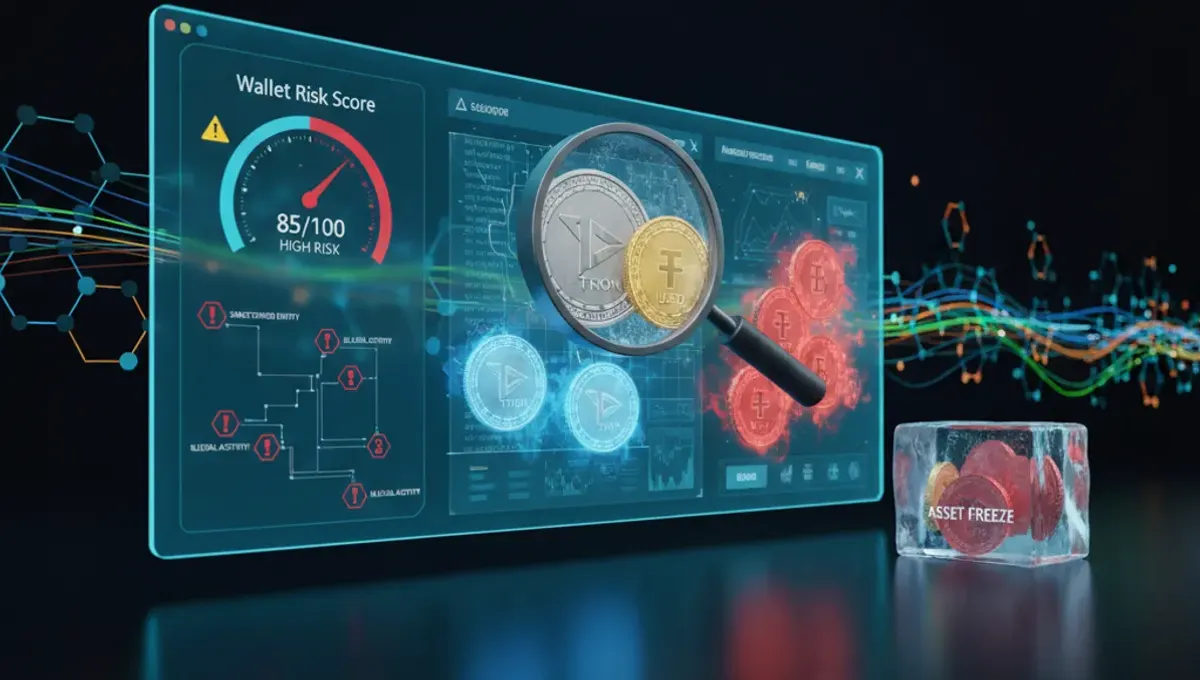
Frozen USDT and exchange account bans are the most disruptive outcomes. To avoid them, screen wallets before sending or receiving large amounts, and maintain clean transaction history by avoiding mixers and high-risk services.
Best Practices for Staying Compliant
To minimize the risk of transactions being flagged or frozen:
- Use consistent wallet addresses: Frequent address changes can trigger structuring alerts.
- Maintain clear transaction records: Document the business purpose of transfers; compliance teams review these during holds.
- Avoid mixers and privacy services: Even if legal in your jurisdiction, they dramatically increase risk scores.
- Screen counterparties: Before sending large amounts, verify the recipient's wallet is not flagged.
- Batch transfers thoughtfully: Combine multiple small transfers into one larger transaction rather than many small ones, which may appear like structuring.
- Work with compliant platforms: Use exchanges and custodians that publish their AML policies and use reputable transaction monitoring tools.
- Check our AML Services page: We maintain a curated list of verified providers offering wallet screening, KYT risk scores, and blacklist checks for USDT, TRX, BTC, and other assets. Starting with a trusted service is the safest way to assess wallet risk before moving funds.
Compliance is not a one-time check; it's an ongoing practice of understanding the rules and applying them to every transaction.
Frequently asked questions
What is the difference between AML transaction monitoring and KYC?
KYC (Know Your Customer) verifies the identity of account holders before they trade. AML transaction monitoring watches every transaction after the account is open, looking for suspicious patterns and illicit sources. KYC happens once at signup; transaction monitoring is continuous and ongoing.
Can I check my own wallet's risk score?
Yes. Use a wallet screening tool from our AML Services page to enter your address and see its risk score and transaction history. This helps you understand how exchanges and counterparties perceive your wallet and identify any unexpected flags.
Why was my USDT deposit frozen?
Your deposit was likely frozen because the incoming wallet exceeded the exchange's risk threshold. Common reasons include mixer involvement, darknet exposure, sanctions flags, or unusual transaction patterns. Contact the exchange's compliance team with proof of the transfer's legitimacy to request a review.
How long does a transaction hold usually last?
Most holds last 24–72 hours while compliance reviews the transaction. Complex cases or those requiring regulatory consultation may take longer. Providing clear documentation of the transfer's purpose can speed up the review process.
What risk score is considered safe for receiving crypto?
A risk score of 0–30 is generally safe and rarely triggers holds. Scores of 31–70 warrant caution and may be delayed. Scores above 70 are high-risk and often blocked. Acceptable thresholds vary by platform, so check your exchange's policy.