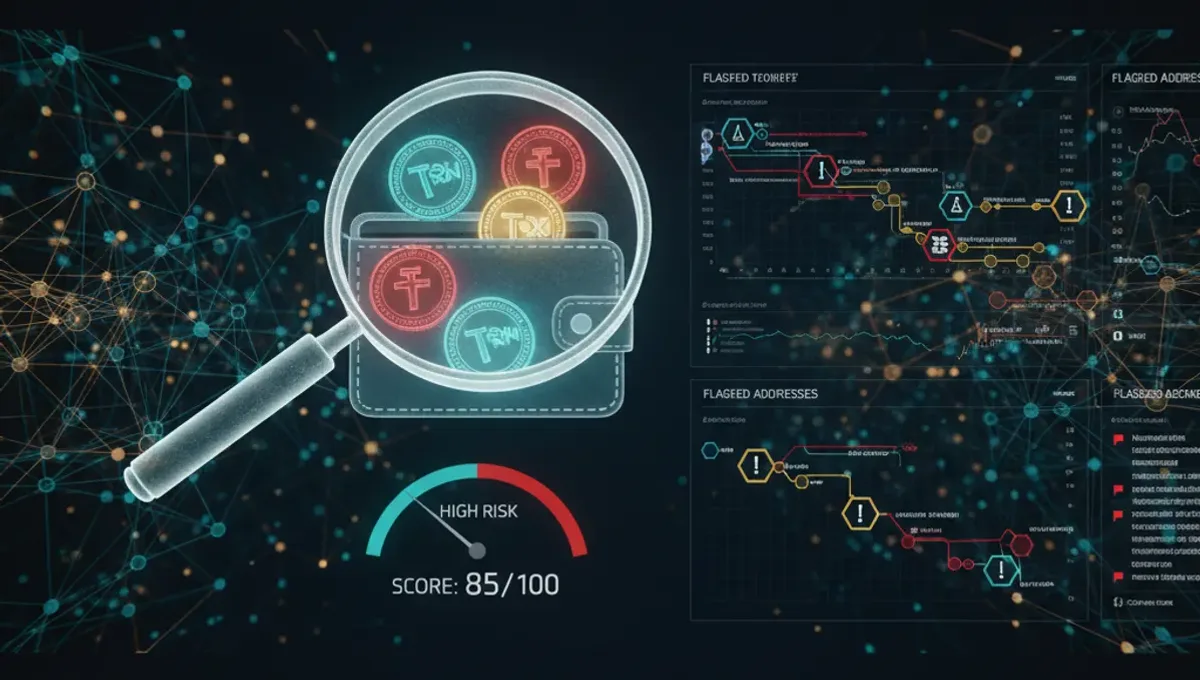
What Is Blockchain Transaction Monitoring?
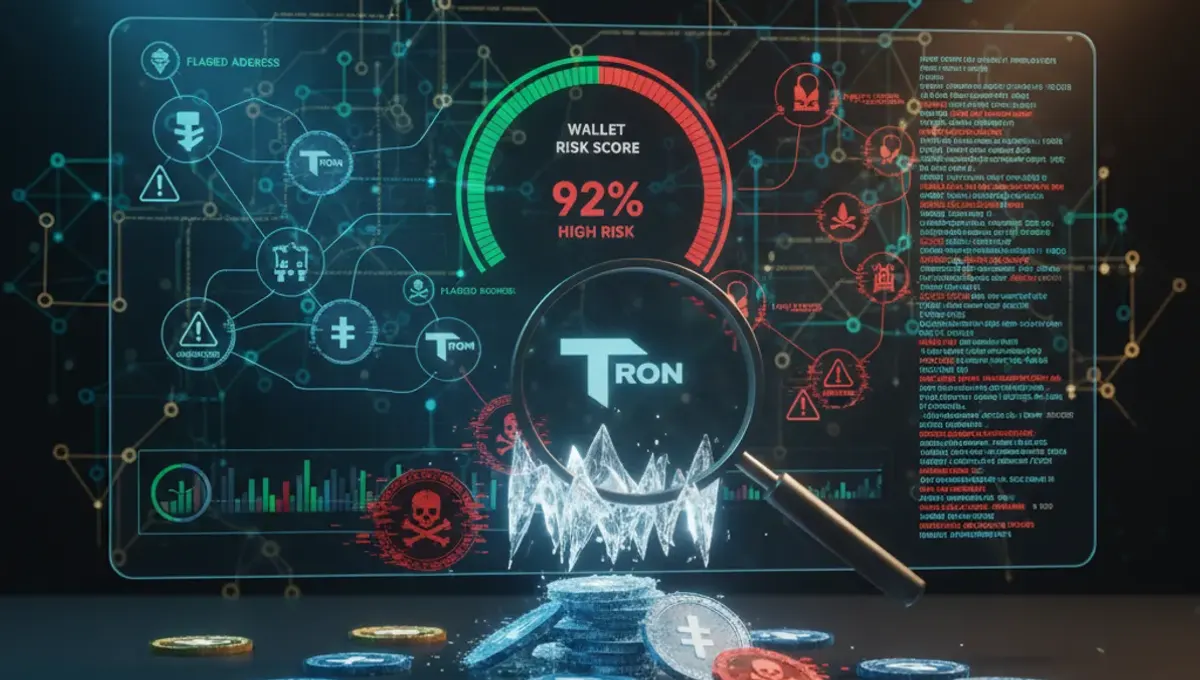
Blockchain transaction monitoring is a continuous process that examines on-chain activity to identify transactions that breach compliance rules or pose financial crime risk. Unlike traditional banking, where transaction history is private, blockchain transactions are permanently recorded and publicly visible. Monitoring systems scan these records to flag patterns associated with money laundering, terrorist financing, sanctions evasion, and theft.
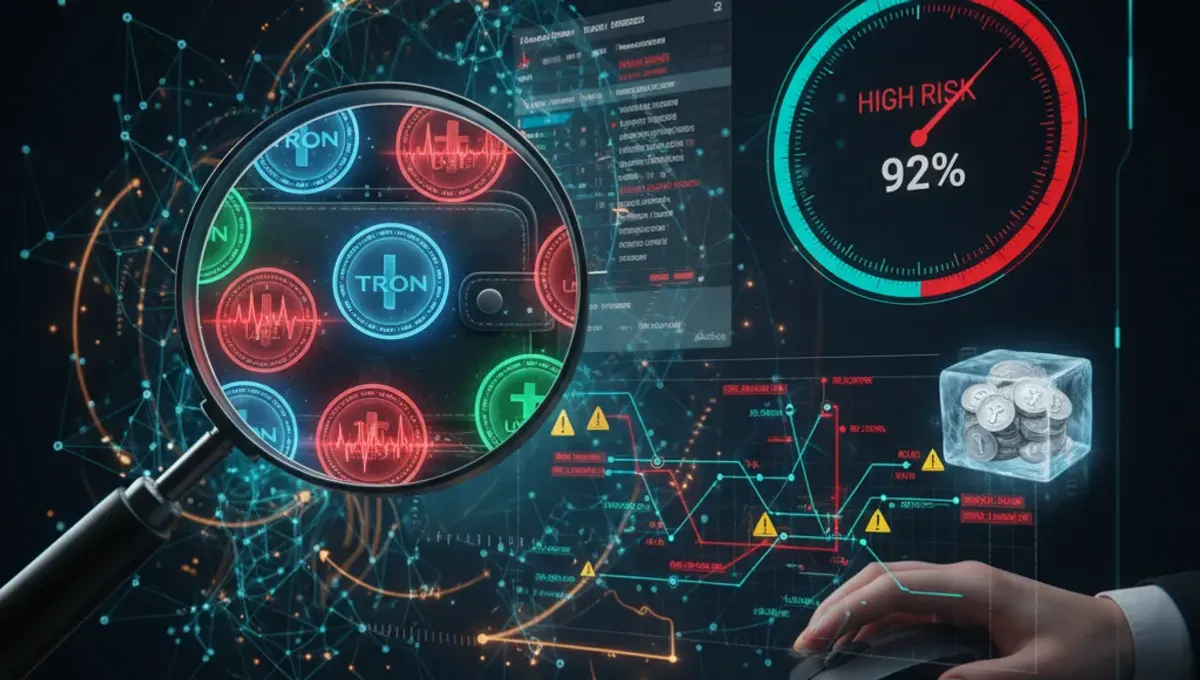
Crypto transaction monitoring works by analyzing several factors: wallet age and history, transaction frequency and size, mixing or tumbling activity, connections to known darknet markets or scam addresses, and exposure to sanctioned entities. When a transaction matches a high-risk profile, the monitoring system assigns a risk score and may trigger alerts to exchanges, custodians, or compliance teams.
The goal is to prevent illicit funds from entering the regulated financial system and to help crypto businesses comply with anti-money laundering (AML) and know-your-customer (KYC) regulations. For users, blockchain transaction monitoring means that receiving or sending tainted coins can result in frozen accounts, rejected deposits, or mandatory reporting to authorities.
How Do AML Transaction Monitoring Rules Work?
AML transaction monitoring rules are sets of criteria that flag transactions as high-risk or suspicious. These rules vary by jurisdiction and institution, but they follow common patterns:
- Transaction size thresholds: Large transactions above a certain amount trigger automatic review.
- Velocity checks: Multiple rapid transactions from the same wallet within a short timeframe signal potential layering (a money laundering technique).
- Counterparty screening: The system checks if the sending or receiving address is linked to sanctions lists, darknet markets, or known scam wallets.
- Mixing detection: Transactions routed through tumblers or mixers are flagged because they obscure fund origins.
- Temporal patterns: Transactions at unusual times or from unusual geographies may trigger alerts.
- Destination analysis: Deposits to high-risk jurisdictions or gambling platforms increase scrutiny.
Cryptocurrency transaction monitoring rules also account for blockchain-specific behavior: address reuse, wallet age, and cluster analysis (linking multiple addresses to the same entity). When a transaction meets two or more rule criteria, it typically receives a medium or high risk score. Exchanges and custodians use these scores to decide whether to accept, hold, or reject deposits.
What Risk Categories Trigger Blockchain Monitoring Alerts?
Certain transaction sources and behaviors consistently trigger high-risk flags in cryptocurrency transaction monitoring systems:
Mixers and tumblers: Services that deliberately obscure transaction trails are red flags because they're often used to launder stolen funds or hide illicit origins.
Darknet market exposure: Addresses linked to known darknet marketplaces (even indirectly through transaction history) are automatically flagged as high-risk.
Stolen funds: Wallets identified as sources of theft, hacks, or fraud receive permanent risk markers. Receiving even a small amount from a flagged theft address can taint your entire wallet.
Sanctions and OFAC lists: Transactions involving addresses linked to sanctioned countries, entities, or individuals trigger immediate compliance holds.
Scam and Ponzi schemes: Wallets associated with known scams or fraudulent projects are monitored and flagged.
Gambling platforms: Some jurisdictions and institutions treat gambling deposits as higher-risk due to money laundering concerns.
Unregistered exchanges: Deposits from unregulated or delisted exchanges may increase risk scores.
Even a single transaction from a flagged source can propagate risk through your wallet's history, affecting future deposits and transfers.
How to Check a Wallet Before Receiving USDT or Crypto Deposits
Before accepting a deposit of USDT, TRX, Bitcoin, or other assets, screen the sending wallet to avoid receiving tainted coins:
Step 1: Obtain the wallet address. Ask the sender for their full, verified wallet address. Confirm it matches official communication channels, not phishing emails or messages.
Step 2: Use a wallet screening tool. Visit a trusted AML service (check our curated list of verified AML services on this site for options) and enter the wallet address. These tools provide instant risk scores and flag known issues.
Step 3: Review the risk score and details. A low risk score (typically 0–20) indicates minimal compliance concerns. Medium (21–70) warrants caution; high (71–100) means the deposit should be rejected. The report should explain why the score was assigned: mixer exposure, darknet links, sanctions flags, or theft history.
Step 4: Check transaction history. Look at the wallet's recent transactions. Frequent mixing, rapid transfers, or connections to known scam addresses are warning signs.
Step 5: Decide to accept or decline. If the risk score is acceptable and the history is clean, proceed. If high-risk factors are present, request the sender use a different wallet or decline the deposit.
Step 6: Document the check. Keep a record of the screening result for compliance and dispute resolution.
Understanding Risk Score Levels and What They Mean
Risk scores in blockchain transaction monitoring typically range from 0 to 100, with thresholds varying by institution:
0–20 (Low Risk): The wallet has a clean history, no known associations with illicit activity, and normal transaction patterns. Deposits are typically accepted without delay.
21–50 (Medium Risk): The wallet shows some concerning patterns—perhaps minor mixing activity, transactions to gambling platforms, or age-related factors—but no confirmed illicit links. Exchanges may accept the deposit but may require additional verification or hold funds temporarily.
51–70 (High Risk): The wallet has multiple risk factors: exposure to mixers, connections to sanctioned entities, or links to scams. Many exchanges will reject deposits or freeze accounts pending investigation.
71–100 (Critical Risk): The wallet is directly linked to theft, darknet markets, sanctions violations, or active fraud schemes. Deposits are almost always rejected, and the receiving exchange may report the transaction to authorities.
Acceptable thresholds depend on your institution's risk appetite and regulatory requirements. Most regulated exchanges reject deposits with scores above 50. For personal wallets, a score below 30 is generally safe; above 50 warrants investigation before moving funds.
What Happens If Your Coins Are Flagged as Tainted?
If you receive or hold cryptocurrency flagged as tainted or high-risk, several outcomes are possible:
Account freeze: Exchanges may freeze your account pending investigation, blocking withdrawals and trades.
Deposit rejection: New deposits from flagged wallets are automatically rejected.
Mandatory reporting: Regulated institutions may file Suspicious Activity Reports (SARs) with financial authorities.
Fund seizure: In extreme cases (confirmed theft or sanctions violations), authorities may seize funds.
Reputational damage: Your wallet address becomes associated with risk, affecting future transactions.
Delisting from services: Payment processors, exchanges, or custodians may refuse to work with your wallet.
If this happens, contact the exchange's compliance team immediately. Provide evidence of the legitimate source of funds, transaction documentation, and any proof that you were unaware of the taint. Some exchanges will unfreeze accounts after investigation; others will not. The best defense is to screen wallets before accepting deposits and avoid mixing or tumbling services. Using verified AML services from our trusted list before accepting large transfers significantly reduces this risk.
Best Practices for Avoiding Tainted Crypto and Compliance Issues
Protect yourself from frozen accounts and compliance problems by following these practices:
Screen all incoming deposits: Use wallet screening tools before accepting transfers, especially large amounts or from unfamiliar sources.
Maintain clean transaction history: Avoid using mixers, tumblers, or services that obscure transaction trails, even if you have nothing to hide. These services are red flags in monitoring systems.
Use regulated exchanges: Deposit and withdraw through established, regulated platforms. Unregistered exchanges carry higher risk.
Keep detailed records: Document the source and purpose of all significant transactions. This helps during compliance reviews or disputes.
Avoid high-risk jurisdictions and activities: Be cautious with deposits from or to sanctioned countries, darknet markets, or gambling platforms.
Monitor your wallet's risk score: Periodically check your wallet's score using trusted AML services. If it rises unexpectedly, investigate the cause.
Use address verification: Confirm wallet addresses through multiple channels before sending or receiving funds. Phishing attacks often redirect deposits to attacker wallets.
Separate wallets by purpose: Use different wallets for different activities (trading, long-term holding, exchanges). This limits risk propagation if one wallet is compromised.
Regular blockchain transaction monitoring of your own wallets helps you stay ahead of compliance issues and protects your deposits from freezes.
Frequently asked questions
What is the difference between crypto transaction monitoring and KYC?
KYC (know-your-customer) verifies the identity of account holders before they trade. Crypto transaction monitoring analyzes the source and destination of funds after transactions occur. Both are required for compliance: KYC prevents unknown bad actors from opening accounts; transaction monitoring detects illicit fund flows and tainted coins entering the system.
Can I check if my Bitcoin or USDT address is flagged?
Yes. Use a wallet screening tool from a trusted AML service to check your address risk score. Enter your public wallet address (not your private key) and the tool will return a risk assessment, any known issues, and transaction history analysis. Most services provide instant results.
Why did my exchange freeze my account after a deposit?
Your deposit likely triggered a high risk score during blockchain transaction monitoring. Common causes: the sending wallet was linked to a mixer, sanctions list, or known scam; the transaction size exceeded thresholds; or your account showed unusual activity. Contact the exchange's compliance team with proof of legitimate fund source to request review.
What risk score is acceptable for receiving crypto?
Most regulated exchanges accept deposits with risk scores below 30–50, depending on their compliance policies. Scores above 50 typically result in rejection or account freeze. For personal wallets, aim to keep scores below 30 by avoiding mixers, maintaining clean transaction history, and screening incoming transfers.
How often should I monitor my wallet for compliance risk?
Monitor your wallet's risk score before major transactions, after receiving large deposits, and periodically (monthly or quarterly) if you hold significant assets. Regular monitoring helps you catch unexpected risk increases early and maintain compliance with exchange and regulatory requirements.