What Is KYC in Cryptocurrency?
KYC (Know Your Customer) is a compliance process that exchanges, custodians, and payment platforms use to confirm the identity and legitimacy of their users. In crypto, KYC typically requires you to provide a government-issued ID, proof of residence, and sometimes facial verification. The process is mandatory under anti-money laundering (AML) regulations in most jurisdictions. Exchanges implement KYC to prevent criminals from using crypto to launder stolen funds, finance terrorism, or conduct sanctions evasion. When you complete KYC, the exchange cross-references your identity against sanctions lists and known criminal databases. This is why KYC can take hours or days to process—the platform is running background checks. KYC is distinct from KYT (Know Your Transaction), which monitors the movement of funds after they enter the exchange.
KYC vs. KYT: Understanding the Difference
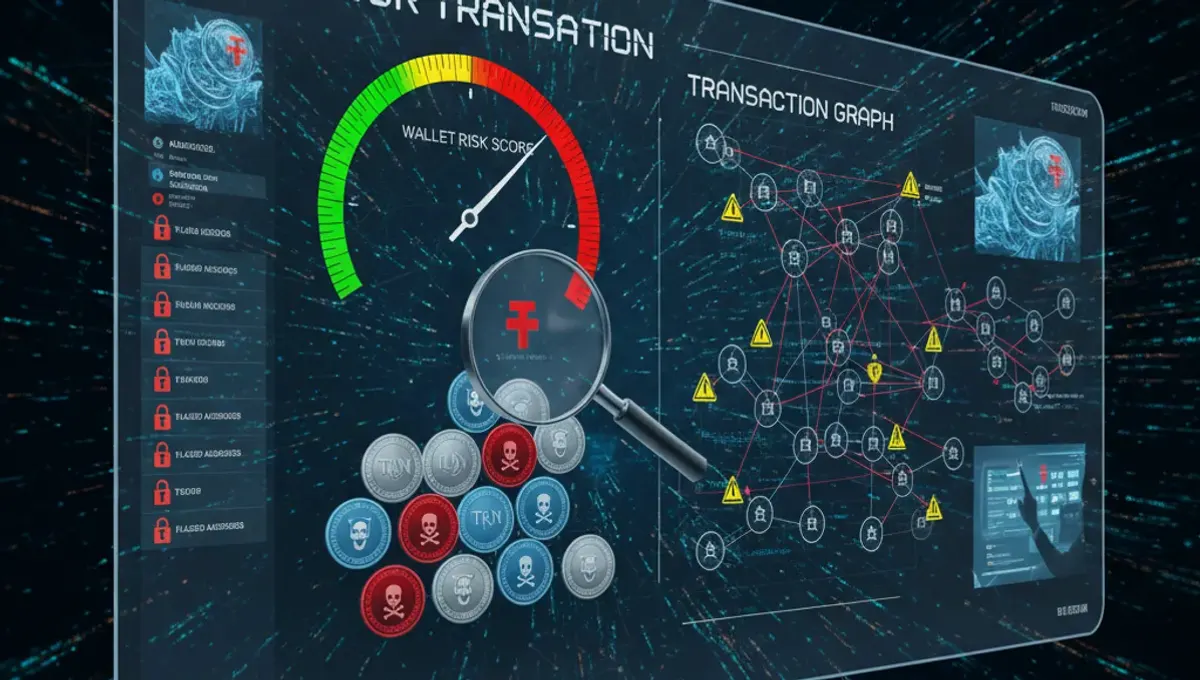
KYC and KYT are complementary but separate compliance tools. KYC verifies who you are before you transact; KYT meaning in crypto refers to monitoring what you do with your funds after deposit. KYT crypto systems track wallet addresses, transaction patterns, and fund sources to detect suspicious activity. For example, KYT might flag a deposit of USDT from a mixer or darknet marketplace, even if your identity passed KYC. KYT crypto meaning encompasses risk scoring—assigning a risk level to a transaction or wallet based on its history. An AML check crypto process combines both: KYC establishes your identity, while KYT and AML check crypto systems screen the wallet address you're depositing from. Together, they form a comprehensive compliance framework. Exchanges use KYT to decide whether to accept or reject your deposit, freeze your account, or request additional documentation.
How KYC Works: Step-by-Step Process
Most exchanges follow a similar KYC workflow:
- You create an account and provide an email address.
- The platform asks for personal details: full name, date of birth, nationality, and address.
- You upload a government ID (passport, driver's license, or national ID card).
- You provide proof of residence (utility bill, bank statement, or lease agreement dated within the last 3 months).
- Some platforms require a selfie or video verification to confirm you match the ID.
- The exchange submits your data to a third-party KYC provider for automated and manual review.
- The provider cross-checks your identity against sanctions lists (OFAC, UN, EU) and known fraud databases.
- Within hours to days, the exchange notifies you of approval, rejection, or a request for additional information.
If your KYC is rejected, the exchange typically explains why and may allow you to resubmit. Rejection reasons include mismatched documents, poor image quality, or a match against a sanctions list.
Why Exchanges Require KYC and What Happens If You Skip It
Exchanges require KYC because regulators mandate it. In most countries, crypto exchanges are classified as money services businesses and must comply with AML/KYC laws. Failure to implement KYC can result in fines, license revocation, or criminal charges against the exchange operators. From a user perspective, skipping KYC means you cannot deposit or withdraw fiat currency (USD, EUR, etc.) on regulated exchanges. Some unregulated or peer-to-peer platforms allow trading without KYC, but these carry higher risks: no customer protection, no recourse if funds are stolen, and potential legal liability if you unknowingly trade with sanctioned entities. Additionally, if you receive tainted coins (funds from theft, ransomware, or sanctions violations) and later deposit them to a KYC exchange, the platform's AML check crypto systems may flag the wallet and freeze your account pending investigation. This is why checking a wallet's risk score before accepting a deposit is prudent.
KYC and Risk Scoring: How Exchanges Assess Wallet Safety
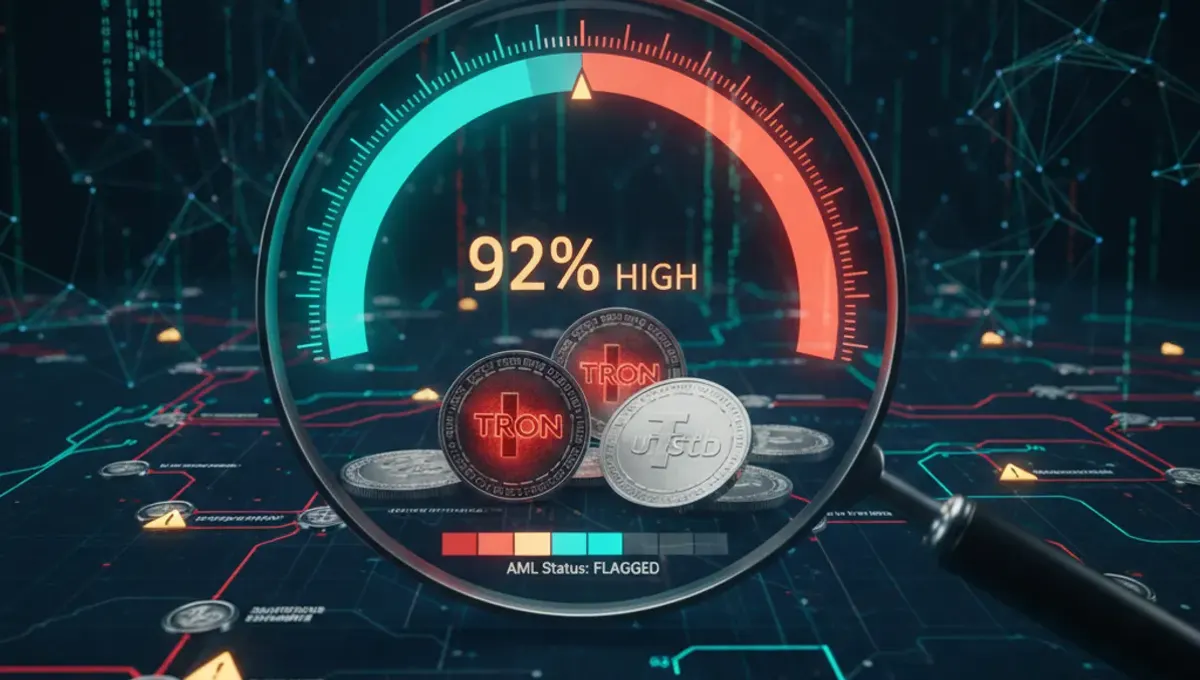
After you pass KYC, the exchange performs an AML check crypto on the wallet address you're depositing from. This involves KYT crypto analysis: the platform traces the wallet's transaction history to assign a risk score. Risk scores typically range from 0 (clean) to 100 (high risk). A wallet receives a high risk score if it has received funds from known mixers, darknet markets, scams, or sanctioned entities. For example, a USDT TRC20 address that received funds from a known ransomware wallet will be flagged as high-risk. Exchanges set internal thresholds; some accept wallets with scores up to 50, while others reject anything above 20. If your deposit wallet exceeds the threshold, the exchange may reject the transaction, freeze your account, or ask you to explain the source of funds. This is why understanding KYC meaning extends to understanding the wallet screening that follows it. Before sending crypto to an exchange, you can check your wallet's risk score using third-party AML services listed on our AML Services page—this gives you advance warning of potential issues.
What Triggers KYC Rejection or Account Freezes
Several factors can cause KYC rejection or account freezes:
- Sanctions list match: Your name matches a sanctioned individual or entity (false positives do occur).
- Document quality: Blurry photos, expired IDs, or documents not in English may be rejected.
- Mismatched information: Address on ID doesn't match the address you provided; name spelling differs.
- High-risk wallet deposit: You deposit from a wallet flagged as high-risk by KYT crypto analysis.
- Unusual transaction pattern: Large deposits followed by immediate withdrawals, or rapid transfers to multiple wallets.
- Tainted coins: The wallet you're depositing from has received stolen or sanctioned funds.
- Regulatory investigation: The exchange is under scrutiny and temporarily freezes accounts for review.
If your account is frozen, contact the exchange's support team with documentation. If the freeze is due to a sanctions list match, you may need to provide additional identity proof or legal documentation to clear it. Frozen USDT or other assets can remain locked for weeks or months during investigation.
Best Practices: Protecting Yourself with KYC and Wallet Screening
To avoid KYC rejection and account freezes, follow these practices:
- Use clear, recent documents: Ensure your ID is not expired and photos are high-resolution and well-lit.
- Match all details: Confirm that your name, address, and date of birth are identical across all documents.
- Screen wallets before receiving deposits: Before accepting crypto from an unknown source, check the wallet's risk score using an AML service. Our curated list of verified AML services provides wallet screening tools—use them to verify that incoming funds are not tainted.
- Avoid mixing services: Do not send crypto through multiple mixers or untracked wallets before depositing to an exchange; this raises red flags.
- Keep records: Save receipts and transaction IDs for all deposits and withdrawals in case you need to explain your activity.
- Understand your exchange's policy: Read the exchange's AML and KYC documentation to know their risk thresholds and what triggers a freeze.
- Use reputable exchanges: Regulated exchanges with transparent KYC/KYT processes are safer than unregulated platforms.
By combining KYC compliance with proactive wallet screening, you reduce the risk of frozen funds and account suspension.
Frequently asked questions
What does KYC mean in crypto?
KYC stands for Know Your Customer, a regulatory process that exchanges use to verify user identity before allowing deposits or withdrawals. You provide government ID, proof of address, and sometimes facial verification. KYC prevents money laundering, terrorist financing, and fraud in crypto transactions.
What is the difference between KYC and KYT in crypto?
KYC verifies your identity before you transact. KYT (Know Your Transaction) monitors your wallet and funds after deposit to detect suspicious activity. KYT crypto systems assign risk scores based on transaction history. Together, they form a complete compliance framework for exchanges.
Can I use crypto without KYC?
You can trade peer-to-peer or on unregulated platforms without KYC, but you cannot deposit or withdraw fiat currency on regulated exchanges. Unregulated platforms offer no customer protection and carry legal risks if you unknowingly trade with sanctioned entities or tainted coins.
Why did my KYC get rejected?
Common reasons include poor document quality, mismatched information across documents, name match against a sanctions list, or expired ID. Contact the exchange's support team with corrected documents. If the issue is a sanctions list match, you may need legal documentation to clear it.
What happens if I deposit from a high-risk wallet?
The exchange's AML check crypto system will flag the wallet using KYT analysis. Your deposit may be rejected, your account frozen, or you may be asked to explain the source of funds. Check your wallet's risk score before depositing using verified AML services to avoid this.