What Does Checking a Crypto Wallet Balance Mean?
Checking a crypto wallet balance means viewing the total amount of cryptocurrency held at a specific address on the blockchain. Every transaction is recorded on a public ledger, so anyone can look up a wallet's balance using a blockchain explorer—a free, publicly accessible tool. For USDT on Tron (TRC20), you enter the wallet address into Tronscan and see the USDT balance instantly. For Bitcoin, you use a Bitcoin explorer. The balance is always current because it reflects the latest confirmed transactions. However, balance alone doesn't tell you if the coins are clean or flagged by exchanges and regulators. That's where AML wallet checks come in.
How to Check a Tron Wallet Balance
To check a Tron wallet balance, visit Tronscan.org and paste the wallet address into the search bar. The explorer displays the TRX balance, USDT (TRC20) balance, and all other tokens held at that address. You can also see the transaction history, which shows every send and receive event. For USDT specifically, click on the USDT token section to see the exact amount. This method is free and requires no account. However, a blockchain explorer only shows the balance and transaction flow—it does not indicate whether the wallet or its coins are associated with risk. To perform a full AML crypto wallet check, you need to cross-reference the address against compliance databases and risk scoring services.
What Is an AML Check for Crypto Wallets?
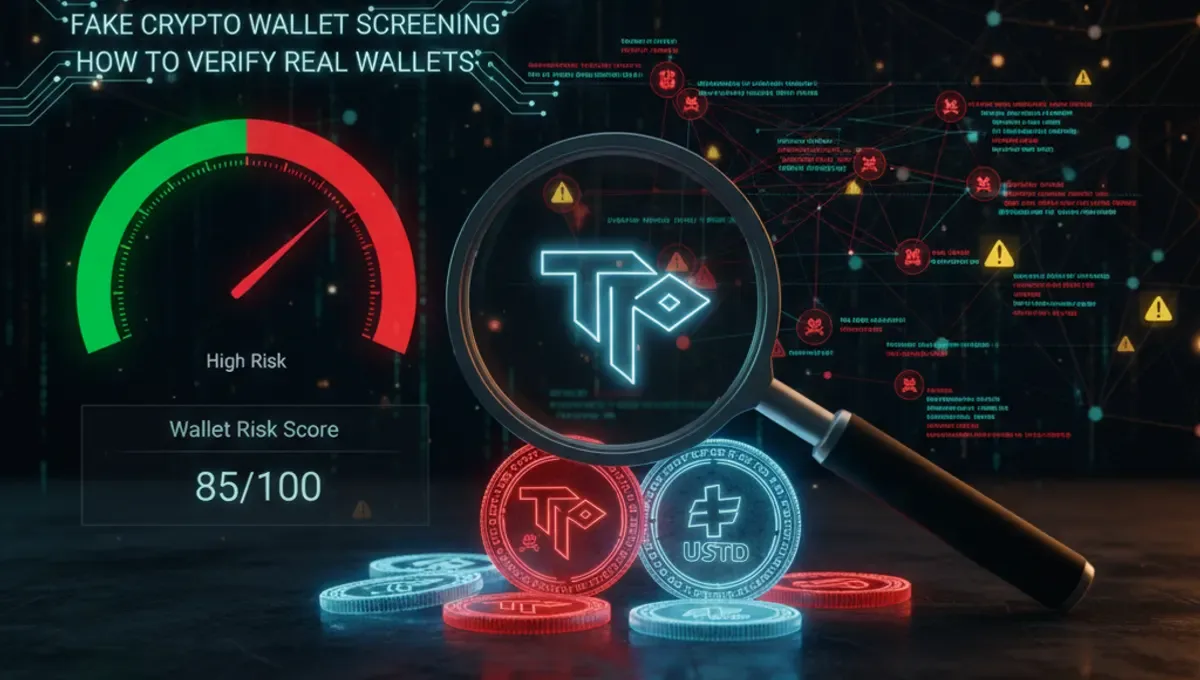
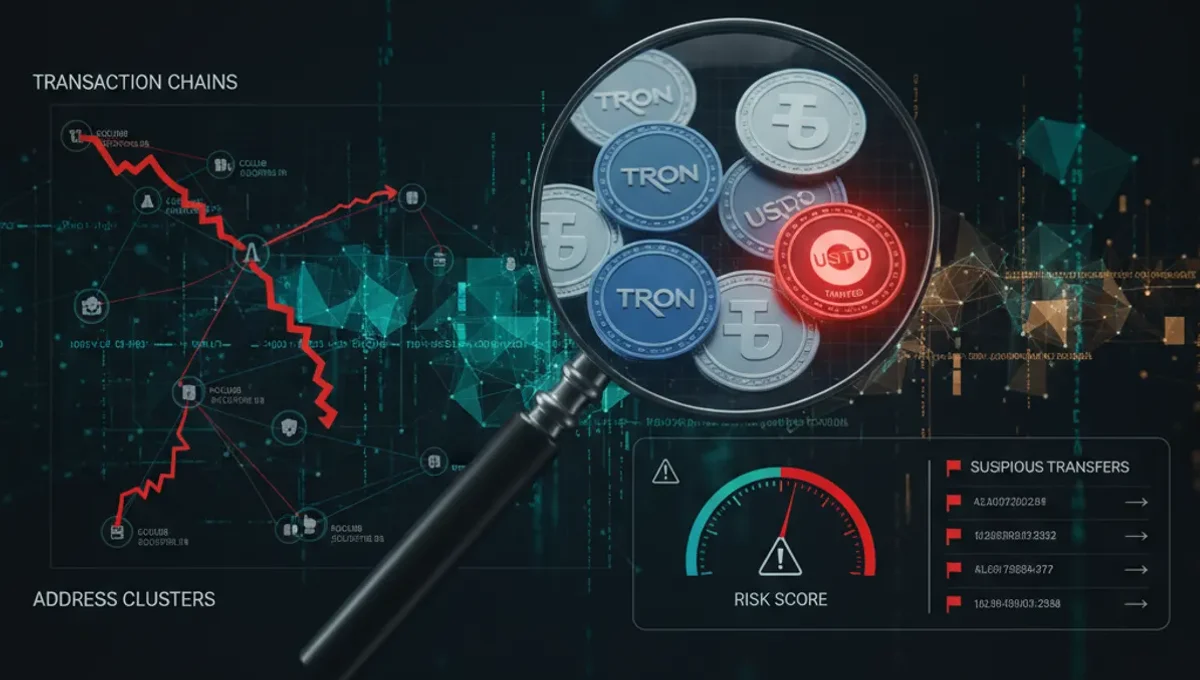
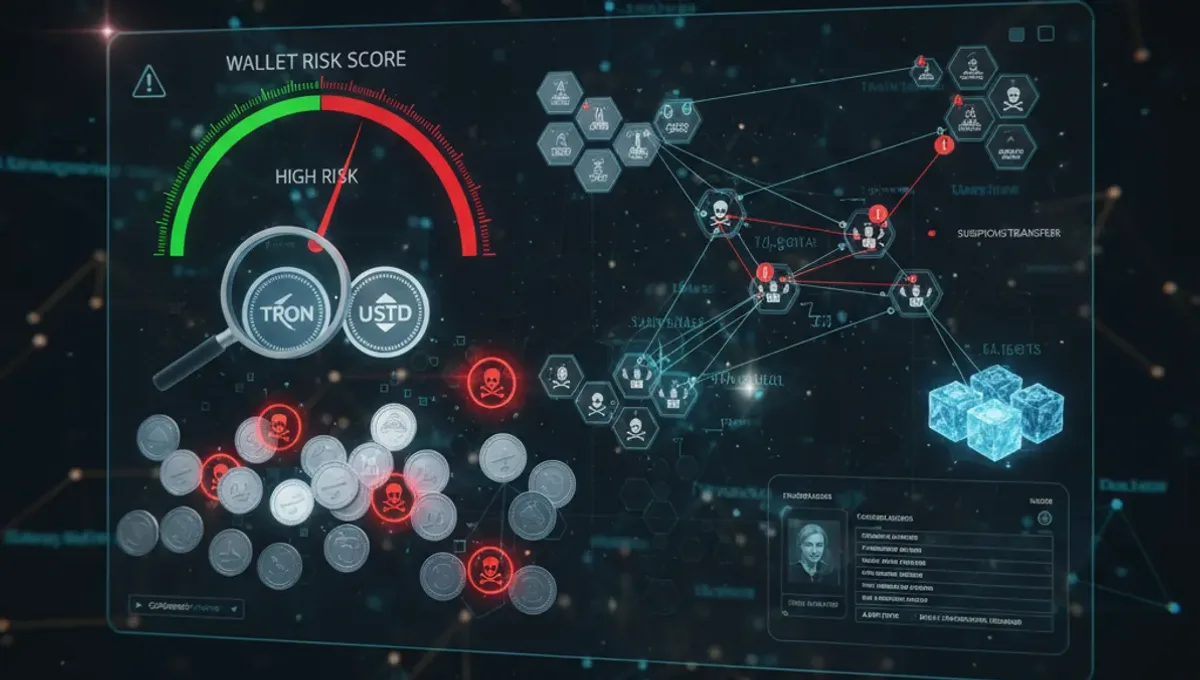
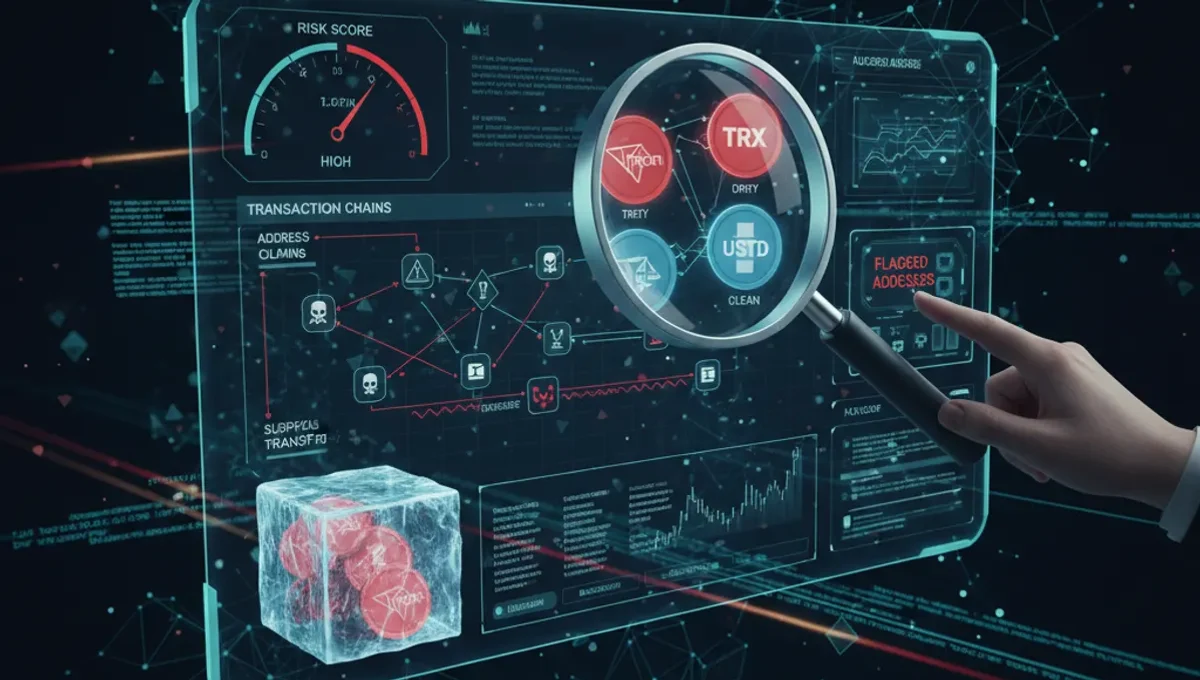
An AML (Anti-Money Laundering) check for crypto wallets screens an address against sanctions lists, known darknet markets, stolen fund databases, and transaction patterns that suggest illicit activity. When you perform an AML check crypto wallet screening, the service analyzes the wallet's transaction history and assigns a risk score—typically low, medium, or high. Low-risk wallets have clean transaction histories and no links to known bad actors. High-risk wallets may have received funds from mixers, darknet markets, scams, or sanctioned entities. Exchanges and custodians use AML checks to decide whether to accept deposits or freeze accounts. Before receiving USDT or TRX from an unknown source, running an AML check protects you from receiving tainted coins that could be frozen or rejected by exchanges later.
How to Perform an AML Check on a Crypto Wallet
To perform an AML check on a crypto wallet, follow these steps:
- Obtain the wallet address you want to screen (copy it exactly to avoid errors).
- Visit a trusted AML screening service—our curated list of verified AML services on this site provides vetted options with transparent risk scoring.
- Paste the wallet address into the service's search field.
- Review the risk score and detailed report, which typically shows transaction sources, any darknet or sanctions exposure, and mixer involvement.
- Check the risk level: low-risk wallets are generally safe to receive from; medium-risk wallets warrant caution; high-risk wallets should be avoided unless you understand the source.
- If the wallet is flagged, ask the sender for an explanation or request funds from a different address.
Many services offer a free tier with basic screening, though comprehensive reports may require a paid plan.
Understanding Crypto Wallet Risk Scores
A crypto wallet risk score is a numerical or categorical rating that reflects the likelihood a wallet or its funds are associated with illicit activity. Risk scores typically range from 0 (very low risk) to 100 (very high risk), or use labels like low, medium, and high. Factors that increase a wallet's risk score include:
- Receiving funds from known mixers or tumblers
- Transaction history linked to darknet markets
- Funds originating from scams or theft
- Connections to sanctioned entities or individuals
- Rapid movement of large sums in short periods
- Addresses flagged by law enforcement or exchanges
Acceptable risk thresholds vary by use case. Institutional buyers and exchanges typically reject wallets with medium or high risk scores. Individual users should avoid receiving large amounts from high-risk wallets. A low-risk score means the wallet has a clean history and is safe to transact with.
What Happens If Your Wallet Is Flagged as High Risk?
If your wallet is flagged as high risk during an AML check, several consequences may follow. Exchanges may freeze your account or reject deposits from that wallet. If you already received funds flagged as tainted, the coins may be frozen in your exchange account, and you may be unable to withdraw them. Custodians and payment processors may block transactions. In some jurisdictions, receiving stolen or sanctioned funds can expose you to legal liability. If your wallet is flagged, take these steps:
- Request a detailed report explaining why the wallet was flagged.
- If the risk is due to a false positive or outdated data, contact the AML service to request a review.
- If the risk is legitimate, do not accept funds from that wallet.
- If you already received flagged funds, contact your exchange's compliance team immediately to understand your options.
- Use a fresh wallet for future transactions to avoid association with the flagged address.
Best Practices for Screening Wallets Before Receiving Crypto
Before receiving USDT, TRX, or any cryptocurrency, always screen the sender's wallet using an AML check service. Best practices include:
- Request the sender's wallet address in advance and verify it independently (do not copy-paste from chat or email without confirmation).
- Run an AML crypto wallet check on the address before confirming the transaction.
- Review the risk score and transaction history; if anything seems unusual, ask the sender for clarification.
- For large transactions, use multiple AML services to cross-verify the risk assessment.
- Keep records of all AML checks performed, including timestamps and risk scores, for your compliance records.
- If you work with multiple senders, maintain a whitelist of verified low-risk addresses.
- Educate yourself on common red flags: sudden large transfers, frequent address changes, or senders who refuse to provide wallet addresses for screening.
Our site's curated list of verified AML services is a safe starting point for wallet screening, offering transparent pricing and reliable risk scoring.
Frequently asked questions
How do I check my crypto wallet balance for free?
Use a free blockchain explorer: Tronscan.org for Tron wallets, blockchain.com for Bitcoin, or etherscan.io for Ethereum. Paste your wallet address and view your balance instantly. No account or fees required. For AML screening, many services offer free basic checks with limited detail.
What is the difference between checking balance and an AML check?
Checking balance shows how much cryptocurrency you hold at an address using a blockchain explorer. An AML check screens the wallet against sanctions lists, darknet databases, and theft records to assess risk. Balance is public; AML risk requires a specialized screening service.
Can I check if a wallet is flagged before receiving funds?
Yes. Use an AML screening service to check the sender's wallet address before accepting the transfer. The service will show if the wallet is linked to darknet markets, mixers, scams, or sanctions. If the risk score is high, decline the transaction or ask the sender for clarification.
What does a high-risk wallet score mean for USDT or TRX?
A high-risk score indicates the wallet or its funds are linked to illicit activity—mixers, darknet markets, theft, or sanctions. Exchanges may freeze deposits from high-risk wallets. Receiving USDT or TRX from a high-risk address could result in your account being frozen or your funds being rejected.
How often should I check wallet balances and AML risk?
Check wallet balance whenever you need to verify your holdings—it updates in real time. Run AML checks before every significant transaction, especially when receiving funds from new or unfamiliar addresses. For ongoing compliance, periodic rescreening of key wallets is recommended.