What Exactly Is a Wallet Check
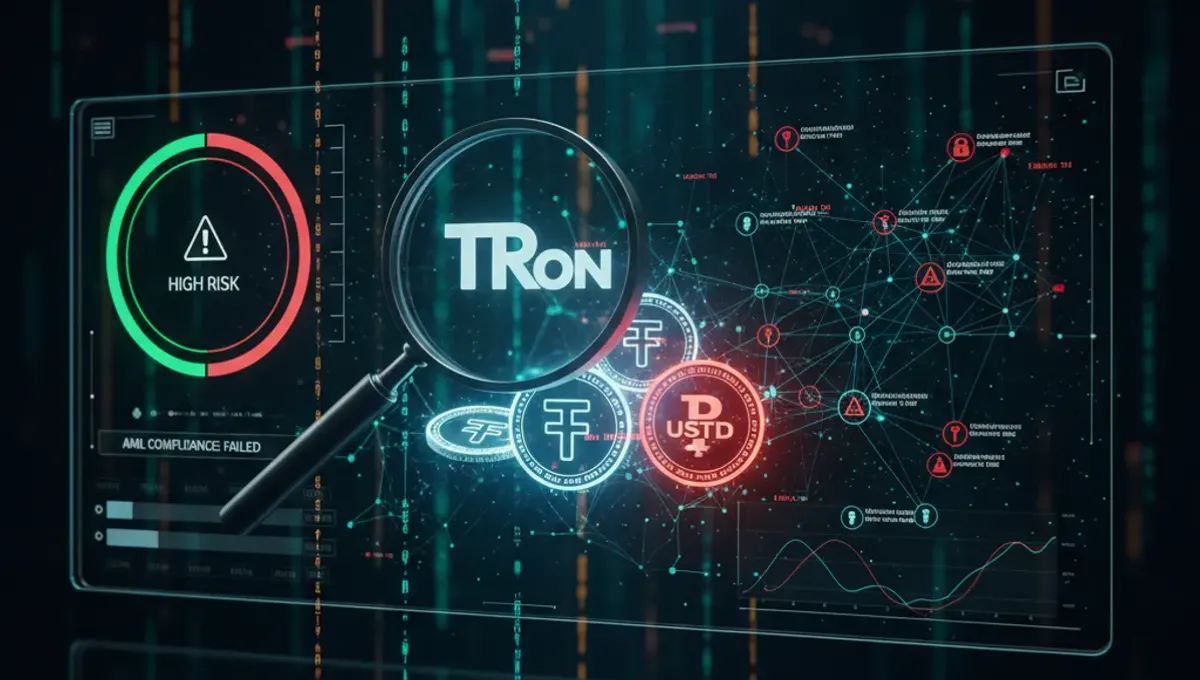
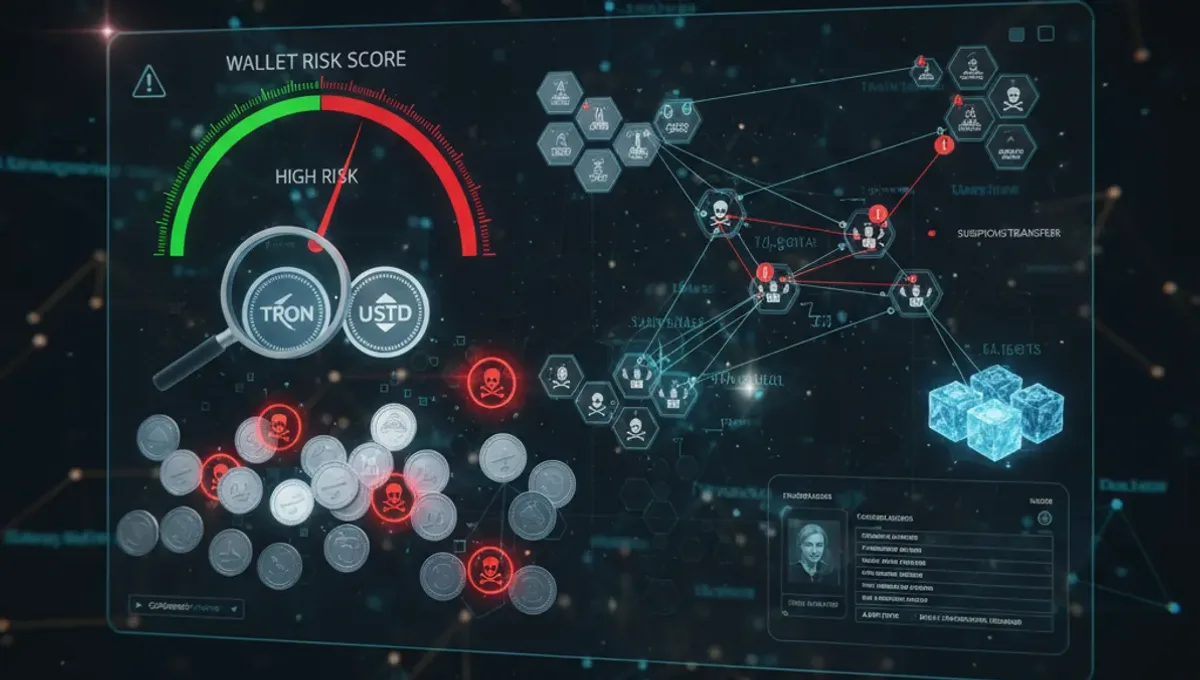
A wallet check is a blockchain analysis scan that examines a cryptocurrency address's transaction history and associations. It looks at where funds came from, where they've been sent, and whether the address has interacted with known risk entities. The check produces a risk score—typically ranging from low to critical—that indicates the likelihood the wallet is connected to illicit activity. Wallet checks cover multiple blockchains: Tron (TRX, USDT TRC20), Bitcoin, Ethereum, and others. They're performed by specialized compliance platforms that maintain databases of known bad actors: darknet markets, mixing services, scam addresses, stolen fund wallets, and sanctioned entities. A wallet check is not a one-time judgment; it's a snapshot of current risk based on available on-chain data.
How Does Crypto Wallet Screening Work
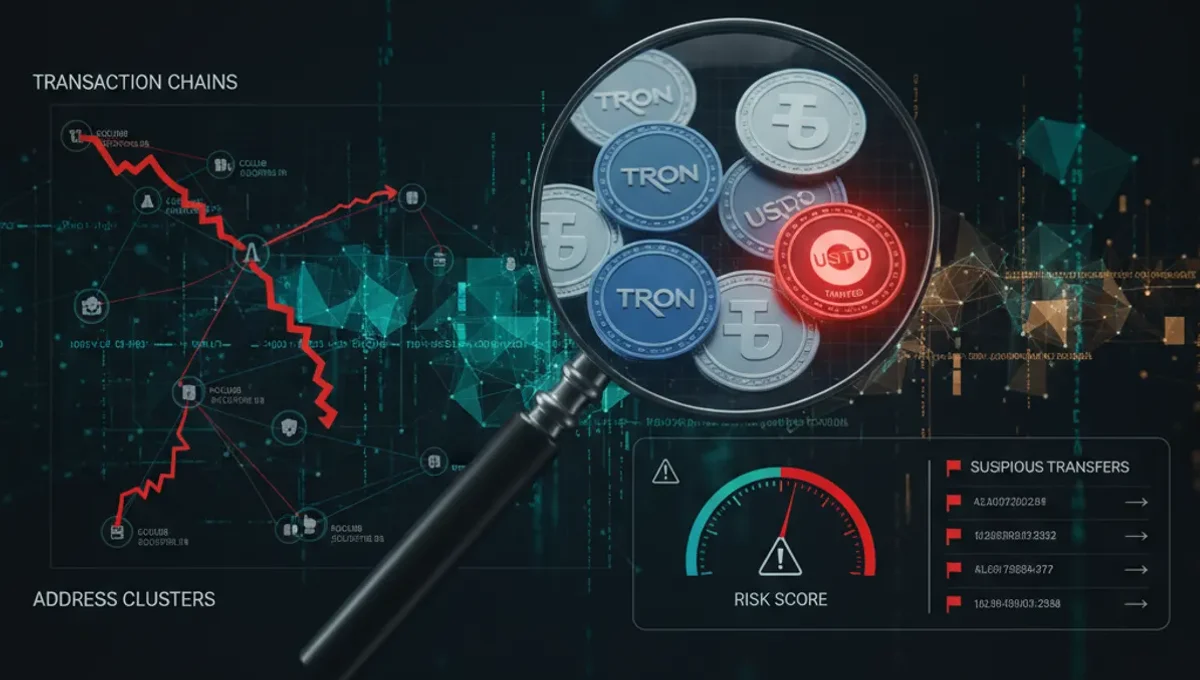
Crypto wallet screening combines transaction tracing and entity matching. First, the platform traces the address's incoming and outgoing transactions on the blockchain. Second, it compares the address and its transaction partners against blacklists of known illicit addresses, sanctions lists (OFAC), and darknet market wallets. Third, it analyzes behavioral patterns: rapid fund movement, mixing service usage, and interaction with high-risk counterparties. The screening engine assigns a risk score based on the strength and recency of these signals. For example, an address that received funds directly from a known mixer will score higher risk than one with a clean transaction history. Screening also flags specific risk categories: sanctions exposure, darknet association, scam involvement, stolen funds, and gambling platform links. The result is a detailed report showing the wallet's risk profile and the reasoning behind the score.
How to Check a Crypto Wallet Before Receiving Funds
Before accepting USDT, TRX, BTC, or ETH from an external wallet, follow these steps:
- Obtain the sender's wallet address in full.
- Visit a trusted AML check service (our curated AML Services list on this site includes verified providers).
- Paste the address into the screening tool.
- Review the risk score and detailed report.
- Check the risk categories: look for flags related to sanctions, darknet, scams, or stolen funds.
- Decide your threshold: most businesses accept low-risk scores; some accept medium-risk with additional due diligence; high and critical scores warrant rejection or investigation.
- Document the check for compliance records.
The entire process takes minutes. Reputable services provide detailed breakdowns of why an address was flagged, including specific transaction links and entity associations. Always verify the address spelling before pasting it into any tool to avoid phishing or typos.
What Do Risk Score Levels Mean
Risk scores typically fall into four categories:
Low Risk (0–20%): Clean transaction history, no known illicit associations, safe to accept.
Medium Risk (21–50%): Some exposure to high-risk entities or mixing services, but not direct involvement. Acceptable with additional verification depending on your compliance policy.
High Risk (51–80%): Strong signals of illicit activity, mixing service usage, or sanctions exposure. Requires investigation or rejection.
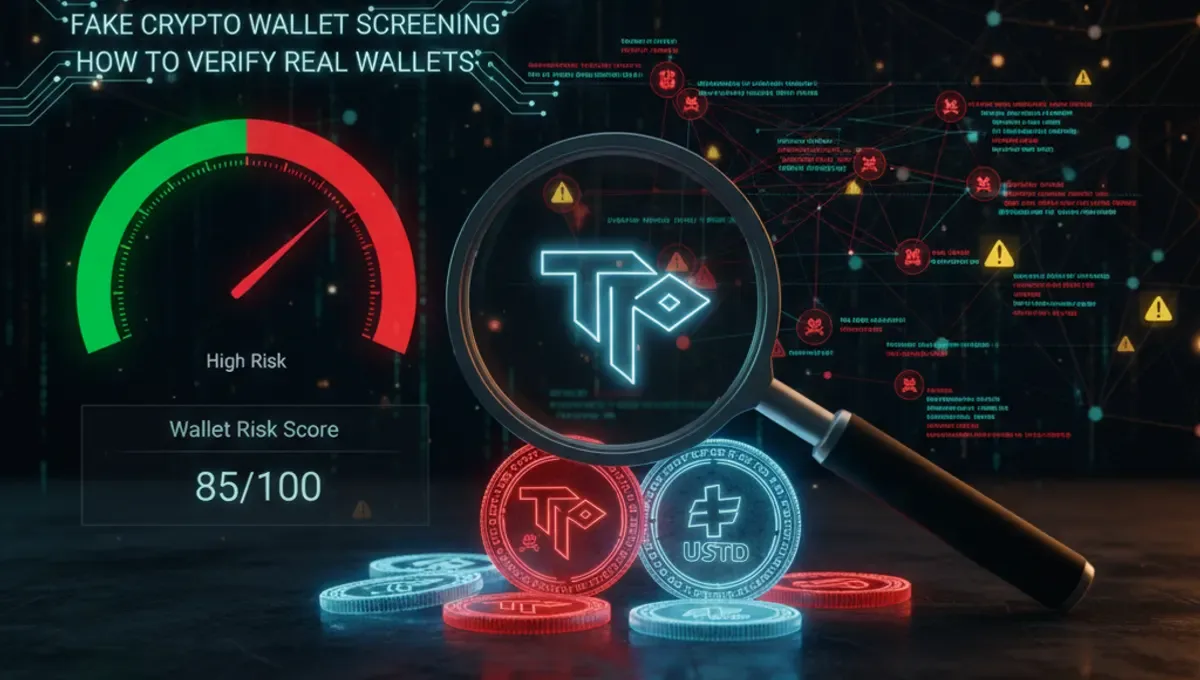
Critical Risk (81–100%): Direct connection to darknet markets, scams, stolen funds, or sanctioned entities. Should be rejected outright.
Thresholds vary by business type and jurisdiction. A cryptocurrency exchange may reject anything above low risk, while a peer-to-peer trader might accept medium risk after manual review. The key is defining your own policy and sticking to it consistently. Document your decision-making process for regulatory audits.
Why AML Checks Cost Vary and What to Expect
AML checks cost depends on the service model and usage volume. Some platforms offer free basic checks with limited detail; others charge per scan or require monthly subscriptions. Pricing factors include:
Volume: High-volume users (exchanges, payment processors) negotiate lower per-check rates.
Detail level: Basic risk scores cost less than full forensic reports with transaction tracing.
Blockchain coverage: Services covering multiple chains (Tron, Bitcoin, Ethereum) may charge more than single-chain tools.
Real-time updates: Continuous monitoring of flagged addresses costs more than one-time checks.
For businesses doing occasional wallet screening, free or low-cost per-check services are available. For regular compliance workflows, subscription models often provide better value. Our AML Services page lists verified providers with transparent pricing so you can compare options and choose the right fit for your needs.
What Happens If You Receive Tainted Crypto
Receiving crypto from a flagged wallet can trigger several consequences:
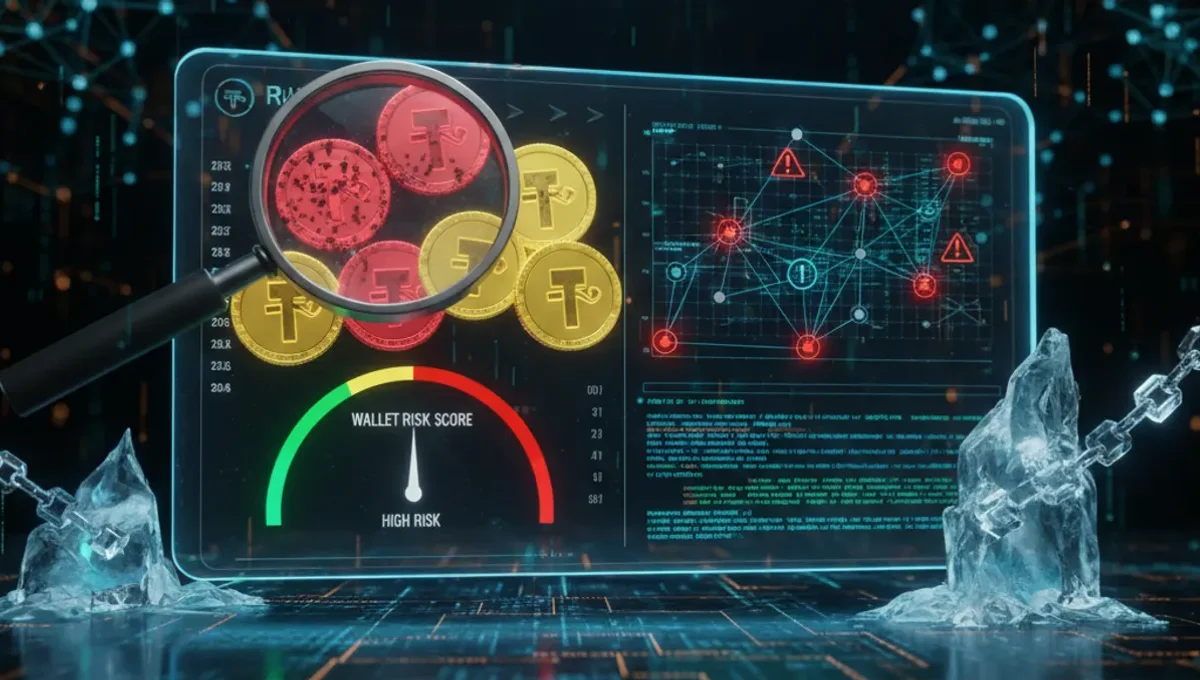
Exchange freezes: If you deposit flagged USDT or TRX to an exchange, the platform may freeze your account pending investigation.
Account bans: Exchanges may permanently close accounts associated with tainted coins to avoid regulatory penalties.
Regulatory scrutiny: Compliance teams flag your wallet for further monitoring, increasing friction for future transactions.
Compliance violations: In some jurisdictions, knowingly receiving stolen or sanctioned funds can expose you to legal liability.
If you've already received flagged crypto, document the transaction, the source, and your due diligence efforts. Contact the exchange's compliance team proactively rather than waiting for them to freeze your account. Demonstrate that you screened the wallet or were unaware of the risk. Cooperation and transparency improve your chances of account recovery. Prevention through wallet checks before accepting funds is far simpler than remediation afterward.
How to Avoid Receiving Dirty Crypto and Tainted Coins
Best practices for staying clean:
Screen every external deposit: Before accepting USDT, TRX, BTC, or ETH from an unknown source, run a wallet check. Use the verified AML services listed on our site for consistent, reliable results.
Set a risk threshold: Define your acceptable risk score (e.g., low risk only) and enforce it consistently.
Know your counterparty: If receiving from a business or exchange, verify their compliance reputation.
Avoid mixing services: Never send your crypto through tumblers or mixers; this flags your wallet as high-risk.
Monitor your own wallet: Periodically check your own address to ensure no unexpected high-risk transactions appear.
Document everything: Keep records of all wallet checks and due diligence for compliance audits.
Use reputable exchanges: Deposit to platforms with strong AML programs; they screen incoming funds and reduce your exposure.
These steps significantly reduce the risk of frozen deposits and account bans.
Frequently asked questions
How long does a wallet check take
Most wallet checks complete in seconds to a few minutes. The platform traces the address's transaction history on the blockchain and compares it against known risk databases. Real-time results are standard. Some detailed forensic reports may take longer, but basic risk scores are instant.
Can I check a wallet for free
Yes, many AML services offer free basic wallet checks with limited detail. Free checks typically show a risk score and broad category flags. Detailed reports, transaction tracing, and continuous monitoring often require paid subscriptions. Our AML Services page lists providers with free tiers so you can compare options.
What if a wallet has a medium risk score
Medium risk means some exposure to high-risk entities or mixing services, but not direct involvement in known scams or sanctions. Your decision depends on your compliance policy. Some businesses accept medium risk with additional verification; others reject it. Document your decision-making process for audits.
Do wallet checks work for all blockchains
Most major AML services cover Tron, Bitcoin, Ethereum, and other major chains. Coverage varies by provider. Before choosing a service, verify it supports the specific blockchain you need. Our curated AML Services list specifies which blockchains each platform covers.
What is a risk score in crypto wallet screening
A risk score is a percentage (typically 0–100) that indicates the likelihood a wallet is connected to illicit activity. Scores are based on transaction history, associations with known bad actors, and behavioral patterns. Low scores (0–20%) are safe; critical scores (81–100%) indicate direct links to scams, darknet markets, or sanctions.