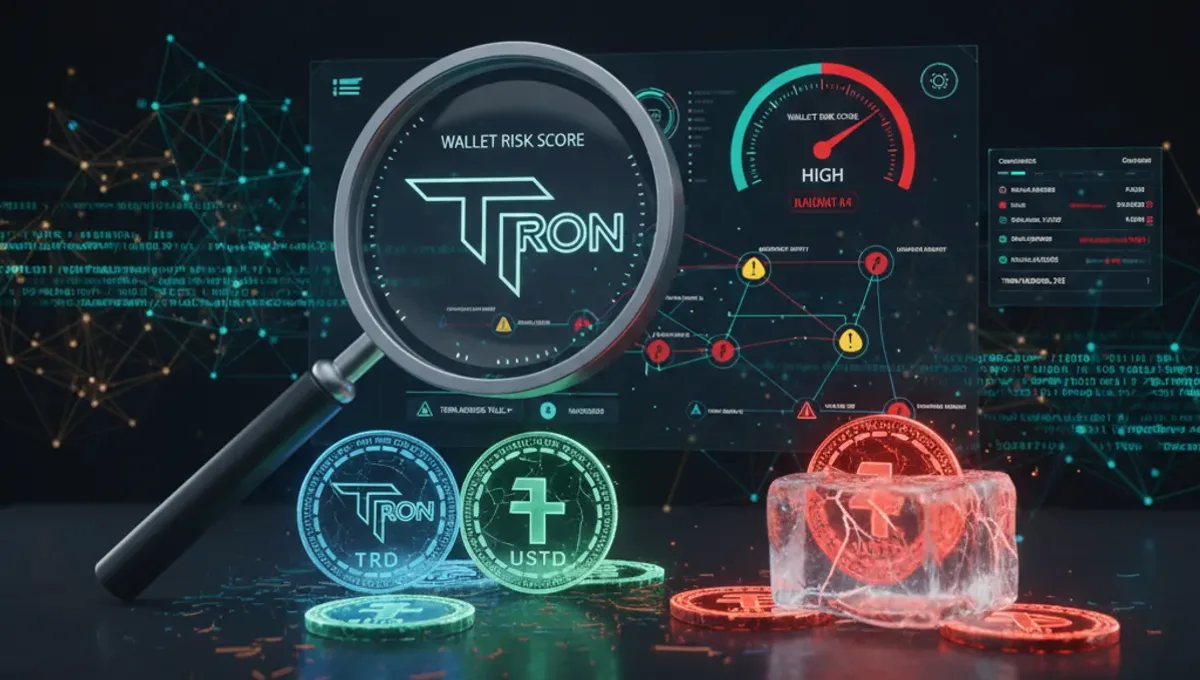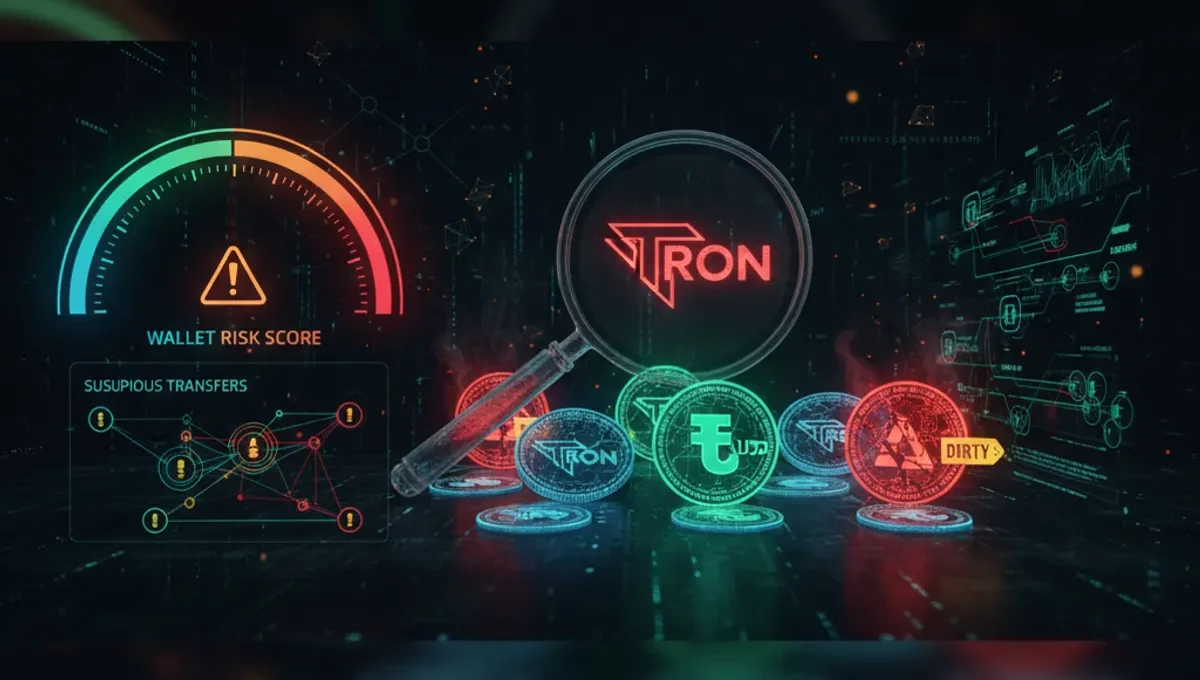
What Is a Tron TRC20 Address Check?
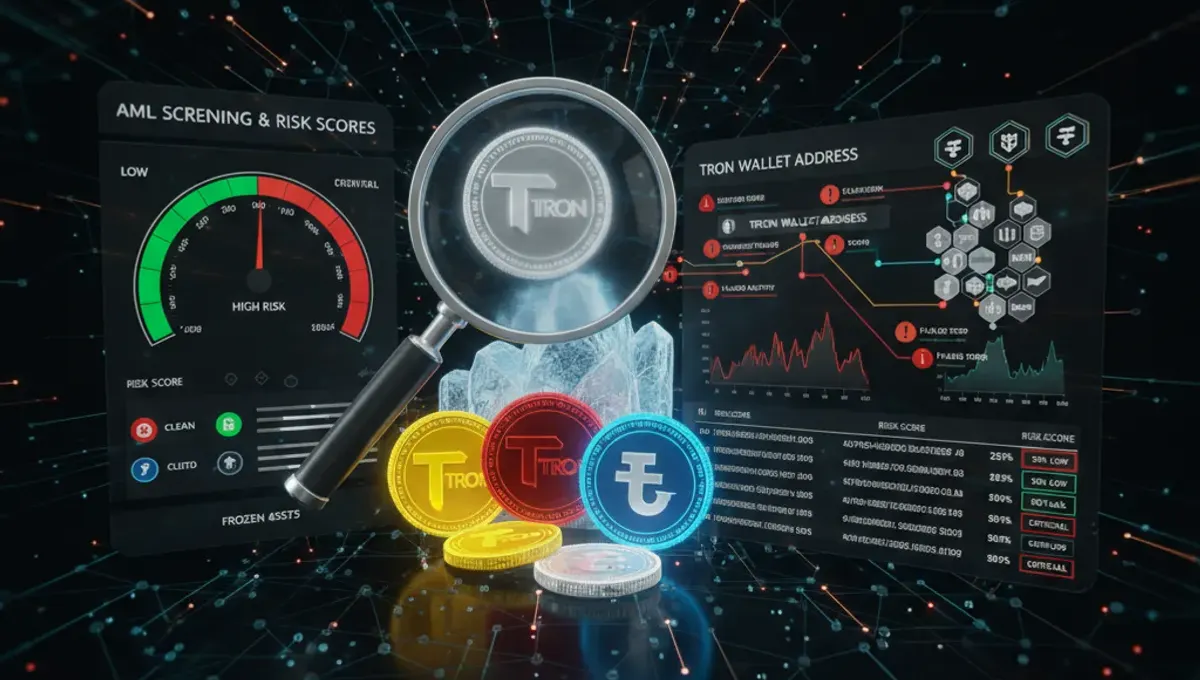
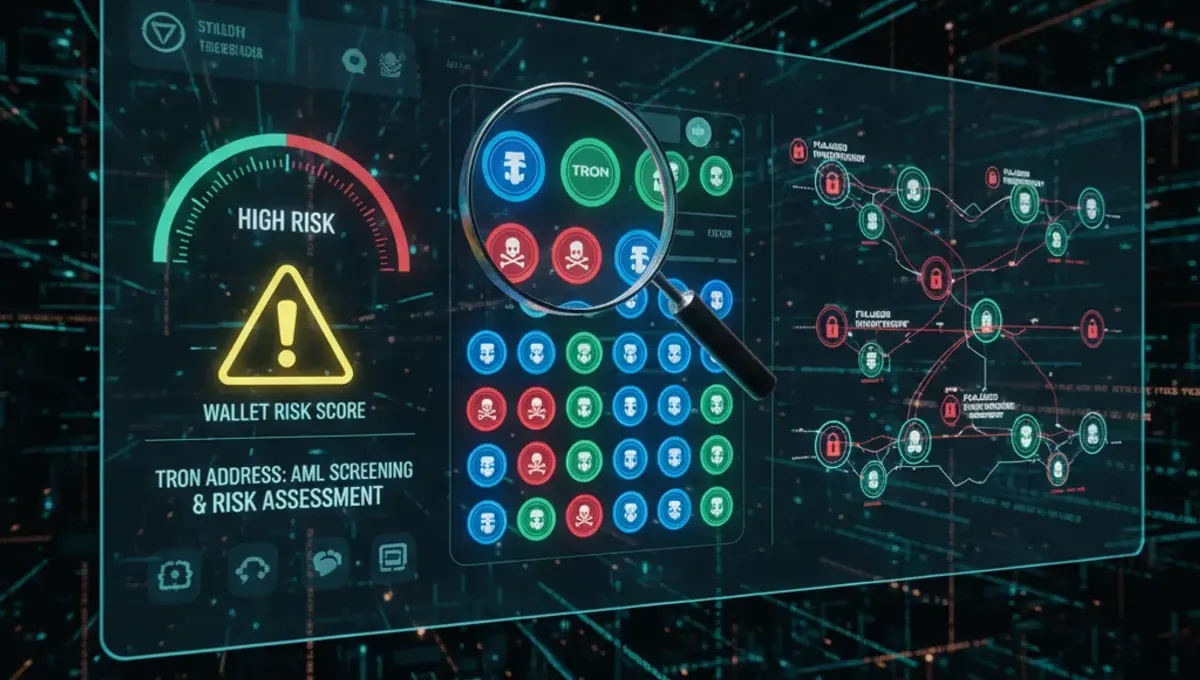
A Tron TRC20 address check is a compliance scan that examines a wallet's transaction history, balance, and associations on the Tron blockchain. TRC20 is the token standard on Tron, most commonly used for USDT stablecoin transfers. The check looks for red flags: deposits from mixers, darknet markets, scam addresses, sanctioned entities, or wallets flagged by law enforcement. When you check a Tron address, the system compares it against known blacklists, sanctions databases, and behavioral patterns. The result is a risk score—typically ranging from low (clean) to high (potentially tainted). This screening is essential because Tron's low transaction costs and speed have made it a preferred network for both legitimate commerce and illicit activity. Exchanges freeze USDT and TRX deposits regularly when they detect high-risk wallet activity, so verifying an address before accepting funds is practical due diligence.
Why Check a Tron Wallet Address Before Receiving Funds?
Receiving USDT or TRX from a compromised or blacklisted wallet can trigger account freezes, mandatory KYC reviews, or outright bans from exchanges. If you deposit tainted coins, compliance teams may flag your account as a money laundering risk, even if you didn't know the source was dirty. Regulatory pressure on exchanges has intensified, so they now screen incoming deposits automatically. A Tron address check lets you verify wallet compliance before the transfer settles. Common risks include: funds stolen from hacks, proceeds from ransomware or scams, mixer outputs designed to obscure origin, darknet market withdrawals, and wallets tied to sanctioned entities or gambling platforms. By checking the Tron address upfront, you avoid the cost and hassle of frozen funds, delayed withdrawals, or account suspension. It's especially critical if you're receiving large amounts or if the sender is unknown.
How to Check a Tron Address: Step-by-Step
- Obtain the Tron wallet address. It starts with 'T' and is 34 characters long (e.g., TQCz8aSwFE1vAJcKfgE8Yw6cqXjzKZkqKL).
- Visit a trusted AML check service. Our curated list of verified AML services on this site includes tools that screen Tron addresses for risk and compliance. Start there for reliable, up-to-date screening.
- Paste the address into the search field.
- Run the scan. The service queries the Tron blockchain and cross-references blacklists, sanctions databases, and transaction history.
- Review the risk score. Scores typically range from low (green) to high (red). Check what risk categories are flagged—mixers, darknet, scams, stolen funds, sanctioned entities.
- Examine transaction history. Look at where funds came from and where they went. Legitimate wallets show clear, traceable activity.
- Make a decision. Low-risk addresses are safe to receive from. High-risk addresses warrant caution or rejection. Medium-risk may require additional due diligence or approval from compliance.
Understanding Tron Address Risk Scores and Flags
Risk scores quantify the likelihood that a wallet is involved in illicit activity or poses compliance risk. Most services use a 0–100 scale or color-coded system (green, yellow, red). A low score (0–20) means the address shows minimal exposure to known bad actors and appears clean. A medium score (21–50) indicates some exposure—perhaps a transaction with a mixer or a wallet that received funds from a flagged source, but not necessarily direct involvement. A high score (51–100) suggests direct or repeated contact with high-risk sources: darknet markets, ransomware wallets, sanctioned entities, or active mixers. Specific flags include: mixer exposure (funds passed through privacy tools), darknet association (linked to illegal marketplaces), scam involvement (address received or sent funds tied to fraud), stolen funds (traced to exchange hacks or theft), sanctioned entity (linked to governments or individuals under international sanctions), and gambling (associated with unregulated gambling platforms). Acceptable thresholds vary by use case. Exchanges typically reject scores above 50–70. Conservative businesses may accept only scores below 20. Understand your own compliance requirements before deciding.
Common Tron Address Red Flags to Watch For
Several patterns indicate a Tron address may be risky. Frequent small deposits followed by a large withdrawal suggest layering—an attempt to obscure the origin of funds. Rapid movement to multiple wallets or exchanges indicates potential money laundering. Deposits from known mixer addresses (services designed to break the transaction trail) are a major red flag. Addresses that receive funds from darknet market wallets are high-risk. Wallets tied to known scam or Ponzi schemes should be rejected immediately. Sanctioned entity exposure means the wallet is linked to individuals or organizations under international sanctions—this is a legal compliance issue. Gambling platform associations may trigger compliance reviews at regulated exchanges. Stolen funds flags indicate the wallet received proceeds from known hacks or theft. A single flag doesn't always mean the wallet is malicious—context matters—but multiple flags or high-risk category exposure warrants rejection or escalation to your compliance team.
What to Do If Your Tron Address Is Flagged as High-Risk
If you receive a high-risk flag on a Tron address you own, first verify the scan result using a second AML service to rule out false positives. Check your transaction history on Tronscan (the official Tron block explorer) to understand what triggered the flag. If you received funds from a mixer or unknown source, that explains the exposure. Contact the sender and ask for clarification on the fund origin. If the funds are legitimate but the wallet has historical exposure to risky activity, you may need to provide documentation to your exchange or compliance team. Some exchanges allow you to appeal a flag with proof of legitimate ownership and fund source. If you're receiving funds for business purposes, maintain clear records of sender identity and fund justification. Going forward, only accept transfers from addresses you've pre-screened. If you're a business or exchange, document your AML check process and retain records for regulatory audits. For persistent high-risk flags on legitimate activity, consider moving funds to a fresh wallet to avoid ongoing compliance friction.
Choosing a Reliable Tron Address Check Service
Not all AML check tools are equally reliable. Look for services that: maintain up-to-date blacklists and sanctions databases, cover Tron and TRC20 tokens specifically, provide clear risk scoring and explanations for flags, offer API access for automated screening if you process high volumes, and have transparent pricing. Some services offer free checks with limited detail; others charge per scan or require subscription. Our verified AML services list on this site curates tools that meet these standards and are actively maintained. When choosing a service, verify it covers Tron (not just Bitcoin or Ethereum), updates its data regularly, and provides actionable risk categories. Avoid services that make vague claims or don't explain their scoring methodology. If you're a business, prioritize services with audit trails and compliance reporting—you'll need documentation if regulators ask how you screened wallets. Start with the trusted services listed on our AML Services page; they've been vetted for accuracy and reliability.
Frequently asked questions
Can I check a Tron address for free?
Yes, many AML services offer free Tron address checks with basic risk scoring. Free checks typically show the risk level and major flags but may lack detailed transaction history or API access. Paid services usually provide deeper analysis, historical data, and bulk screening options. For one-off checks, free tools are sufficient; for ongoing compliance, consider a paid service.
What does a high-risk Tron address mean?
A high-risk Tron address has been flagged for exposure to illicit activity: mixer use, darknet association, scam involvement, stolen funds, sanctions exposure, or gambling links. High-risk doesn't always mean the current owner is guilty, but it indicates the wallet has a problematic history. Most exchanges reject deposits from high-risk addresses to avoid compliance violations.
How long does a Tron address check take?
Most Tron address checks complete in seconds to a few minutes. The scan queries the Tron blockchain and cross-references blacklists in real-time. Some services offer instant results; others may take a few minutes if they're performing deeper analysis. API-based checks for bulk screening may have slightly longer processing times.
Is checking a Tron address the same as checking a TRC20 token address?
A Tron address is the wallet itself; TRC20 refers to the token standard on Tron. When you check a Tron address, you're screening the wallet for all activity, including TRC20 tokens like USDT. The check covers the entire wallet history, not just one token. Both terms refer to the same screening process on the Tron network.
What happens if I receive USDT from a flagged Tron address?
If you deposit USDT from a high-risk Tron address, your exchange may freeze the funds pending review, require additional KYC verification, or reject the deposit entirely. Exchanges use automated screening to flag incoming transfers. Even if you didn't know the source was risky, you may face account restrictions. Always check the sender's address before accepting large transfers.