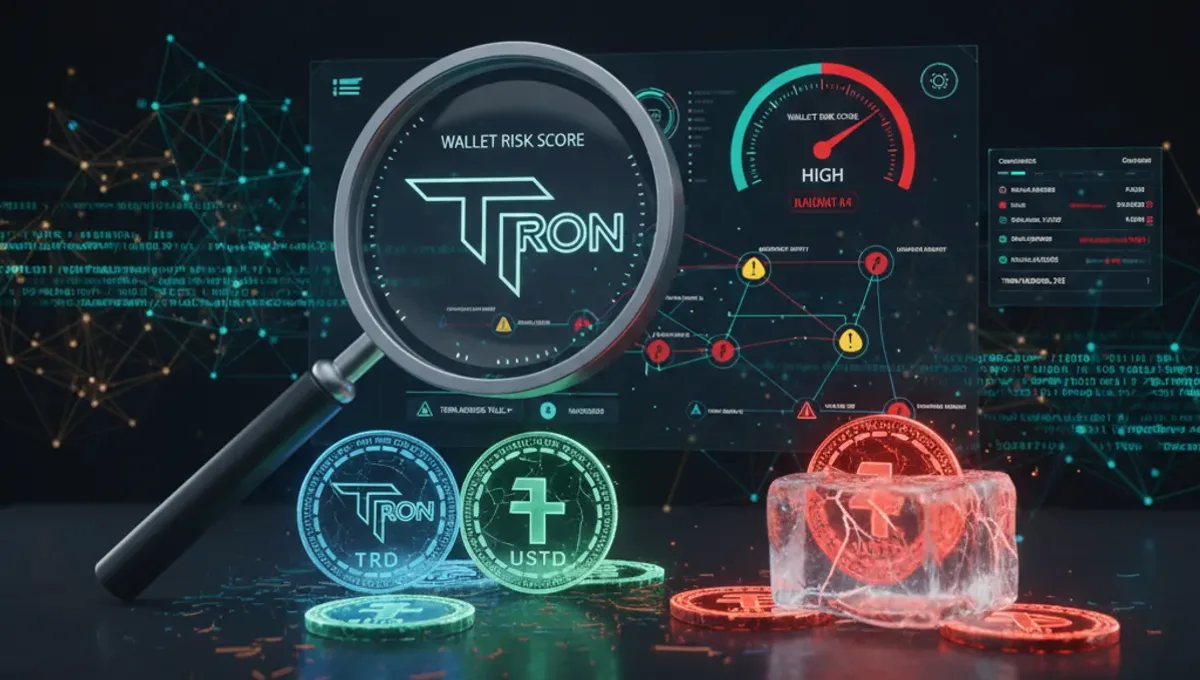
What Does a TRON Address Mean?
A TRON address is a public wallet identifier on the TRON blockchain network. It functions as a destination for receiving funds and a record keeper for all transactions associated with that account. Every TRON address is derived from a private key and is cryptographically linked to it, meaning only the holder of the private key can authorize outgoing transactions from that address.
TRON addresses always begin with the letter 'T' and contain 34 characters in total. This format distinguishes them from Bitcoin addresses (which start with '1', '3', or 'bc1') and Ethereum addresses (which are 42 characters starting with '0x'). The address format is standardized across all TRON wallets, exchanges, and blockchain explorers, making it easy to identify and validate.
When you create a TRON wallet, the blockchain automatically generates a unique address tied to your account. This address is public and can be shared freely; sharing it does not expose your private key or give anyone the ability to move your funds. However, once you share a TRON address with someone, they can see all transactions associated with it on the public ledger.
TRON Address Format and Structure
TRON addresses follow a specific encoding standard called Base58Check, which converts the raw binary address into a human-readable format. The address structure includes:
- A version byte that identifies it as a TRON address (always produces the 'T' prefix).
- A 20-byte account identifier derived from the account's public key.
- A 4-byte checksum to prevent typos and transmission errors.
This structure means that a TRON address is deterministic—the same private key will always generate the same public address. The checksum is crucial for validation: if even one character is altered, the address becomes invalid and transactions will fail.
TRON addresses can represent either user-controlled wallets or smart contracts deployed on the network. Smart contract addresses are also 34 characters starting with 'T', but they execute code rather than simply holding tokens. When you check a TRON address, blockchain explorers can distinguish between regular accounts and contract addresses by analyzing the transaction history and bytecode.
How to Check a TRON Address: Step-by-Step
Checking a TRON address involves verifying its validity, reviewing its transaction history, and assessing risk exposure. Here's how to do it:
1. Validate the address format: Confirm it is 34 characters long and starts with 'T'. If it doesn't match this pattern, it's not a valid TRON address.
2. Use a TRON address checker or blockchain explorer: Visit a public TRON blockchain explorer (such as official TRON network explorers) and paste the address into the search bar. This will display the account balance, transaction history, and associated tokens.
3. Review transaction history: Look at incoming and outgoing transactions to understand the wallet's activity pattern. Frequent transactions with known exchanges or services indicate a legitimate user; irregular patterns or connections to high-risk addresses warrant caution.
4. Check for risk indicators: Look for signs of exposure to mixers, darknet markets, scams, or sanctioned entities. This requires specialized AML screening tools beyond basic explorers.
5. Run an AML risk assessment: Use a dedicated wallet screening service to generate a KYT (Know Your Transaction) risk score. These services cross-reference the address against sanctions lists, stolen fund databases, and transaction patterns associated with illicit activity.
For compliance purposes, always check a TRON address before accepting large deposits or transfers. The trusted AML services listed on our verified services directory provide automated screening with detailed risk reports.
Why Check a TRON Address Before Accepting Transfers
Checking a TRON address before receiving funds protects you from multiple compliance and financial risks:
Regulatory risk: If you receive USDT or other TRC20 tokens from an address linked to sanctions violations or money laundering, your exchange account or wallet may be frozen. Exchanges conduct ongoing transaction monitoring and can flag accounts that receive tainted coins.
Stolen funds: Accepting cryptocurrency derived from theft or fraud can result in the funds being recovered by the original owner or law enforcement, leaving you with a loss.
Darknet and mixer exposure: Addresses connected to darknet markets or coin mixing services carry high compliance risk. Receiving from these sources signals potential money laundering activity.
Scam proceeds: Funds from Ponzi schemes, rug pulls, or investment fraud are often flagged as high-risk. Holding or moving these coins can trigger exchange account restrictions.
Frozen USDT: If USDT sent to your address is flagged as tainted, the stablecoin issuer may freeze it, rendering it unspendable. This is particularly common with TRC20 USDT on TRON.
A simple TRON address check takes minutes and can prevent costly compliance violations, account freezes, and regulatory scrutiny.
TRON Address Lookup and Risk Scoring
A TRON address lookup reveals not just balance and transaction history, but also risk exposure through KYT scoring. Risk scores typically range from 0 (very low risk) to 100 (very high risk), with thresholds varying by exchange and compliance framework.
Low risk (0–20): The address shows normal user behavior, transactions with known legitimate services, and no exposure to illicit activity.
Medium risk (21–50): The address has some exposure to high-risk services or mixing activity, but not direct links to sanctioned entities or darknet markets. Acceptable for most use cases with monitoring.
High risk (51–100): The address shows direct connections to stolen funds, sanctioned entities, darknet markets, or active mixing. Most exchanges will reject deposits from these addresses.
When you check a TRON address for compliance, the risk score is calculated by analyzing:
- Transaction patterns and frequency
- Counterparty risk (who the address transacts with)
- Historical exposure to illicit services
- Sanctions list matches
- Stolen fund database matches
Acceptable risk thresholds depend on your compliance policy. Many exchanges accept addresses with scores below 30, while stricter policies may require scores below 10. Always define your threshold before accepting transfers, and use the verified AML services on our directory for consistent, auditable screening.
Common TRON Address Check Scenarios
Understanding when and how to check a TRON address helps you implement effective compliance workflows:
Receiving a large USDT transfer: Before accepting TRC20 USDT, check the sender's address to confirm it's not flagged as high-risk. This prevents frozen stablecoin and account restrictions.
Verifying a customer's wallet address: If a customer provides a TRON address for withdrawal or deposit, validate it matches their identity and check for risk exposure before processing.
Monitoring ongoing transactions: For recurring transfers or business relationships, periodically check the counterparty's address to detect changes in risk profile or new exposure to illicit activity.
Due diligence before partnerships: Before integrating with a new wallet service or exchange, check their primary operational addresses to assess their compliance posture.
Investigating suspicious activity: If you notice unusual transaction patterns or receive flagged funds, a TRON address lookup helps identify the source and assess the scope of the problem.
Compliance audits: Regularly check addresses in your transaction history to maintain audit trails and demonstrate due diligence to regulators.
Each scenario benefits from a structured TRON address check using the same tools and thresholds. Consistency in screening prevents gaps and ensures compliance.
Best Practices for TRON Address Screening
Effective TRON address screening requires a systematic approach:
1. Establish clear risk thresholds: Define what risk score levels you will accept for different transaction types (deposits, withdrawals, partnerships). Document these thresholds in your compliance policy.
2. Screen before accepting funds: Never wait to check an address after receiving a transfer. Screen proactively to prevent tainted coins from entering your system.
3. Use multiple data sources: Cross-reference blockchain explorers with specialized AML screening services. A single tool may miss emerging risk indicators.
4. Document all checks: Keep records of every address you check, the date, the risk score, and the decision made. This creates an audit trail for regulators.
5. Monitor for updates: Risk scores and sanctions lists change frequently. Periodically re-check addresses in your active transaction history.
6. Train your team: Ensure all staff who handle TRON transfers understand how to check addresses and what risk indicators to watch for.
7. Integrate screening into workflows: Automate TRON address checks where possible using APIs from verified AML services. Manual checks are slower and more error-prone.
The verified AML services listed on our directory support these best practices with automated screening, audit logs, and integration options. Starting with a trusted service ensures your checks are consistent and defensible.
Frequently asked questions
What does a TRON address starting with T mean?
A TRON address starting with 'T' is a standard identifier on the TRON blockchain. The 'T' prefix is automatically generated by the Base58Check encoding used for all TRON addresses. It indicates the address is valid for the TRON network and distinguishes it from Bitcoin or Ethereum addresses. All TRON addresses follow this format.
How do I check if a TRON address is real or fake?
Verify the address format: it must be exactly 34 characters and start with 'T'. Use a TRON blockchain explorer to search the address; if it exists, the explorer will display its balance and transaction history. If the address doesn't appear or shows an error, it's invalid. You can also check the address checksum using validation tools.
Can I see who owns a TRON address?
TRON addresses are pseudonymous; the blockchain shows the address and its transactions but not the owner's identity. However, if the address is linked to an exchange or known service, you may infer ownership. For compliance, use AML screening services to check if an address is associated with sanctions lists or known illicit activity.
What happens if I receive USDT from a high-risk TRON address?
Receiving USDT from a high-risk address can result in the funds being flagged as tainted. Your exchange account may be frozen, or the USDT itself may be frozen by the stablecoin issuer. This is why checking the sender's address before accepting transfers is critical for compliance and protecting your funds.
How often should I check TRON addresses for compliance?
Check addresses before accepting any transfer, especially large amounts or new counterparties. For ongoing business relationships, re-check addresses periodically (monthly or quarterly) to detect changes in risk profile. Maintain audit logs of all checks for regulatory compliance and due diligence documentation.