Why Stablecoin AML Compliance Matters More Now
The Dunamu-Visa partnership highlights a broader trend: institutional players are building stablecoin infrastructure, but compliance demands are tightening simultaneously. When USDT, OUSD, or other stablecoins flow through regulated payment channels, every wallet in the pipeline faces scrutiny.
For crypto users and businesses, this means:
- Stricter wallet screening at entry and exit points (exchanges, payment gateways)
- Higher risk of deposit freezes if your coins are flagged as "tainted" or associated with restricted activity
- Real-time AML checks becoming standard, not optional
- Cross-chain monitoring extending to TRC20, Ethereum, and Bitcoin networks simultaneously
Understanding how stablecoin partnerships affect AML compliance—and how to protect yourself—is no longer optional.
How Institutional Stablecoin Platforms Trigger AML Screening
When Dunamu and Visa explore OUSD and stablecoin use cases, they're building rails that demand compliance at every layer:
Payment processors (Visa side): - Require KYC/KYT (Know Your Customer / Know Your Transaction) on all wallet addresses - Flag transactions linked to sanctions lists, darknet markets, mixers, or gambling platforms - Implement real-time transaction monitoring and risk scoring
Exchange platforms (Dunamu side): - Conduct crypto wallet AML checks on deposit sources - Screen for tainted coins or coins involved in theft, scams, or darknet activity - Freeze accounts or delay withdrawals if risk scores exceed thresholds
The result: A wallet flagged by one service can trigger frozen USDT across multiple platforms. This is why checking your own wallet—and your counterparty's—before moving stablecoins is essential.
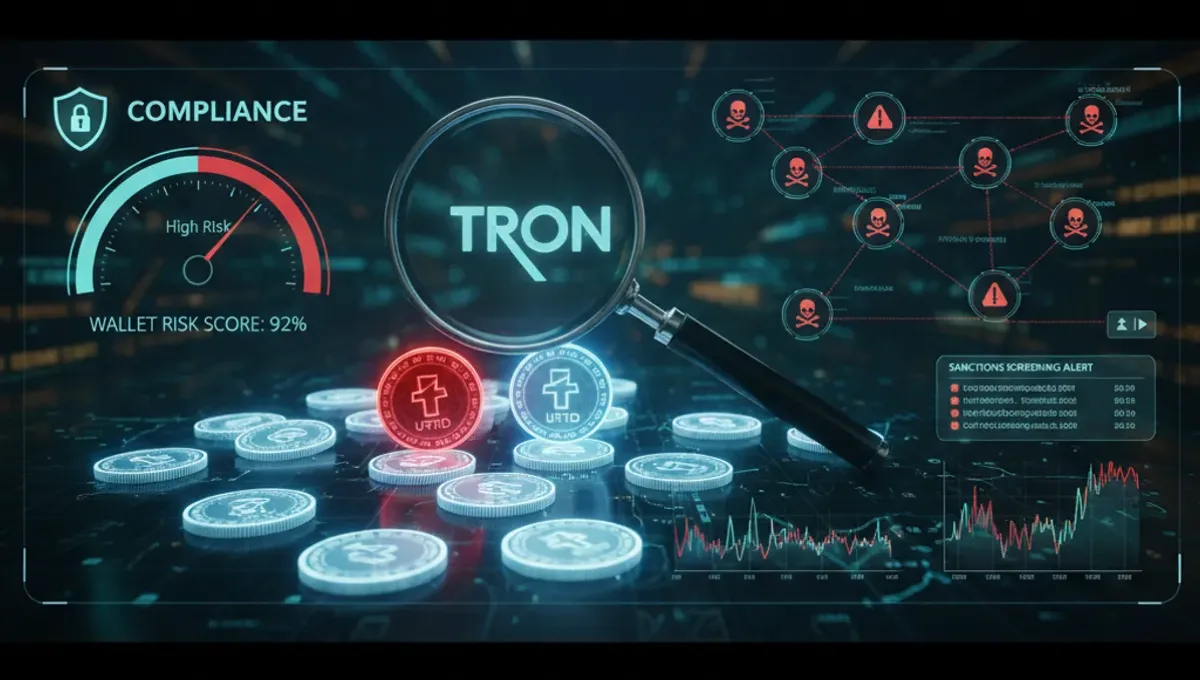
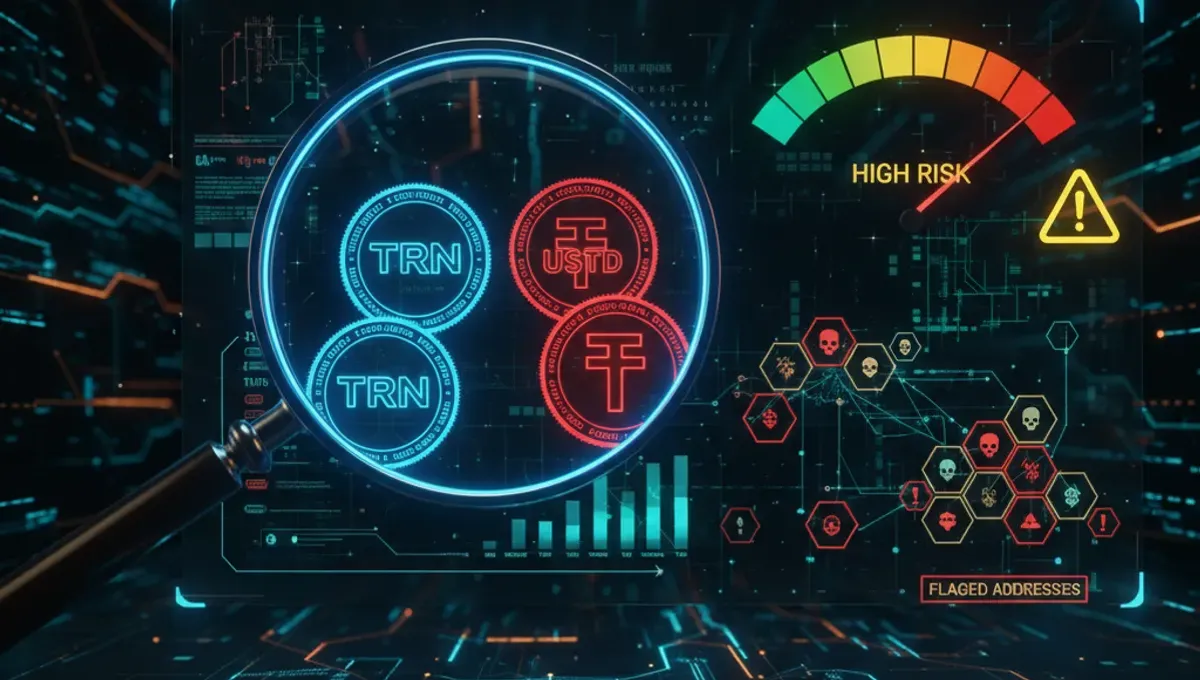
Understanding AML Risk Scores for Stablecoin Transactions
Institutional stablecoin platforms use standardized risk scoring models. Here's what the numbers mean:
| Risk Score Band | What It Means | Typical Exchange Action |
|---|---|---|
| 0–20 (Green) | Clean transaction history | No restrictions |
| 21–50 (Yellow) | Minor red flags (old mixer usage, low-value darknet exposure) | Transaction review or brief hold |
| 51–80 (Orange) | Significant risk (recent suspicious activity, multiple warning indicators) | Delayed withdrawal or compliance interview |
| 81–100 (Red) | Severe risk (known stolen funds, active sanctions exposure, darknet market connection) | Account freeze, mandatory investigation, possible ban |
Stablecoins are especially sensitive because regulated partners like Visa demand near-zero risk tolerance on their rails.
How to Check a Wallet Before Receiving Stablecoins
Before accepting USDT (TRC20, Ethereum, or any chain) or OUSD from a counterparty, screen their wallet:
Step 1: Identify the address - Get the sending wallet address in full (not shortened) - Confirm the blockchain (Tron/TRC20, Ethereum/ERC20, Bitcoin, etc.) - Verify it matches the sender's stated identity (if applicable)
Step 2: Run a free or paid AML check - Use verified AML screening services listed on Cryptoamlnode.com's curated AML Services page - Enter the wallet address - Review the risk score and flagged indicators (mixer activity, sanctions hits, darknet exposure)
Step 3: Interpret results - Green (0–20): Safe to receive. Minimal compliance risk. - Yellow (21–50): Acceptable in most cases; review the specific flag (old activity, low exposure). Inform your exchange if depositing. - Orange (51–80): Check before accepting. Contact the sender for clarity. Consider declining if you cannot verify legitimacy. - Red (81–100): Reject. Do not accept these coins. Risk of frozen USDT or account ban if you deposit to an exchange.
Step 4: Check your own wallet before sending - Run the same check on your own address - If flagged, you may face delays or rejection when moving stablecoins to regulated platforms - Understand why your wallet was flagged and take corrective steps if necessary
Stablecoins and Sanctions Exposure: What Dunamu-Visa Integration Means
The partnership amplifies sanctions screening:
- OFAC lists: Wallets connected to sanctioned entities are automatically rejected
- Cross-border stablecoin flows: Visa integration means stablecoins touch regulated payment channels; sanctions checks are non-negotiable
- Geographic restrictions: Certain jurisdictions may have limited access to OUSD or other stablecoins via regulated gateways
Practical impact: If your wallet has ever interacted with a sanctioned address (even indirectly, through a mixer or exchange), you may be flagged when moving stablecoins through institutional platforms.
What to Do If Your Coins Are Flagged as Dirty
Received flagged coins? Here's your action plan:
- Do not panic; do not move them immediately. Most flags are recoverable with documentation.
- Understand the flag: Request detailed information from the screening service or your exchange about why the coins were flagged.
- Document the source: If you received these coins legitimately (payroll, sale, transfer from a known party), gather proof.
- Contact your exchange: Many exchanges have compliance teams that can review context and potentially clear coins with valid documentation.
- Consider a remediation service: Some specialized firms can help trace coins and clear legitimate holdings flagged due to historical taint.
- Avoid mixing: Do not combine flagged coins with clean ones; keep them separate pending resolution.
For institutional stablecoin flows (like those Dunamu and Visa are building), flagged coins are almost always rejected before they enter the pipeline. Prevention via upfront wallet screening is far easier than remediation after the fact.
Key Takeaways: Protecting Yourself in the New Stablecoin Era
- Screen before you send or receive: Use trusted AML services to check wallet addresses before moving stablecoins.
- Understand your risk score: Familiarize yourself with what different score bands mean for exchanges and payment processors.
- Know acceptable thresholds: For most users and platforms, a score of 0–30 is safe; 31–60 requires review; above 60 carries material risk.
- Monitor regulatory partnerships: Institutional deals like Dunamu-Visa amplify AML requirements. Expect stricter screening across all platforms as integration deepens.
- Use verified services: Check your wallets through the trusted AML screening providers listed on Cryptoamlnode.com's curated AML Services page—they meet industry standards and provide transparent risk scoring.
- Keep records: Document all sources of stablecoins you receive. Clean transaction history is your best defense against frozen USDT.
Stablecoin adoption is accelerating, and so is compliance. Proactive wallet screening isn't just about avoiding account bans—it's about participating safely in the institutional crypto ecosystem that partnerships like Dunamu-Visa are building.
Source: The Block