What Is AML and Why Red Flags Matter in Crypto
AML stands for Anti-Money Laundering. It is a set of compliance rules and screening procedures designed to prevent criminals from disguising illegal funds as legitimate money. In cryptocurrency, AML red flags are behavioral or transactional indicators that exchanges, custodians, and compliance teams use to identify high-risk wallets and transactions. When a red flag is triggered, funds may be frozen, accounts suspended, or transactions blocked entirely. For individual users, receiving tainted coins—those linked to theft, scams, or sanctions—can result in your own wallet being flagged or your exchange account being restricted. This is why checking a wallet's history before accepting a large deposit is critical.
Common Cryptocurrency AML Red Flags Explained
Cryptocurrency AML red flags fall into several categories. Mixer usage is one of the most serious: when coins are sent through privacy mixers or tumblers, it signals an attempt to obscure the transaction trail. Darknet exposure means the wallet has received or sent funds to known darknet markets. Rapid movement patterns—such as coins arriving and leaving within minutes—suggest layering, a money laundering technique. Sanctioned entity links occur when a wallet is connected to individuals or organizations on government sanctions lists. Stolen funds flags appear when coins are traced back to exchange hacks or wallet thefts. Scam-related transactions indicate the wallet received proceeds from Ponzi schemes, rug pulls, or fraud. Gambling platform exposure can also trigger scrutiny depending on jurisdiction and the exchange's policy. Each of these patterns increases the risk score of a wallet.
How AML Risk Scores Work and What They Mean
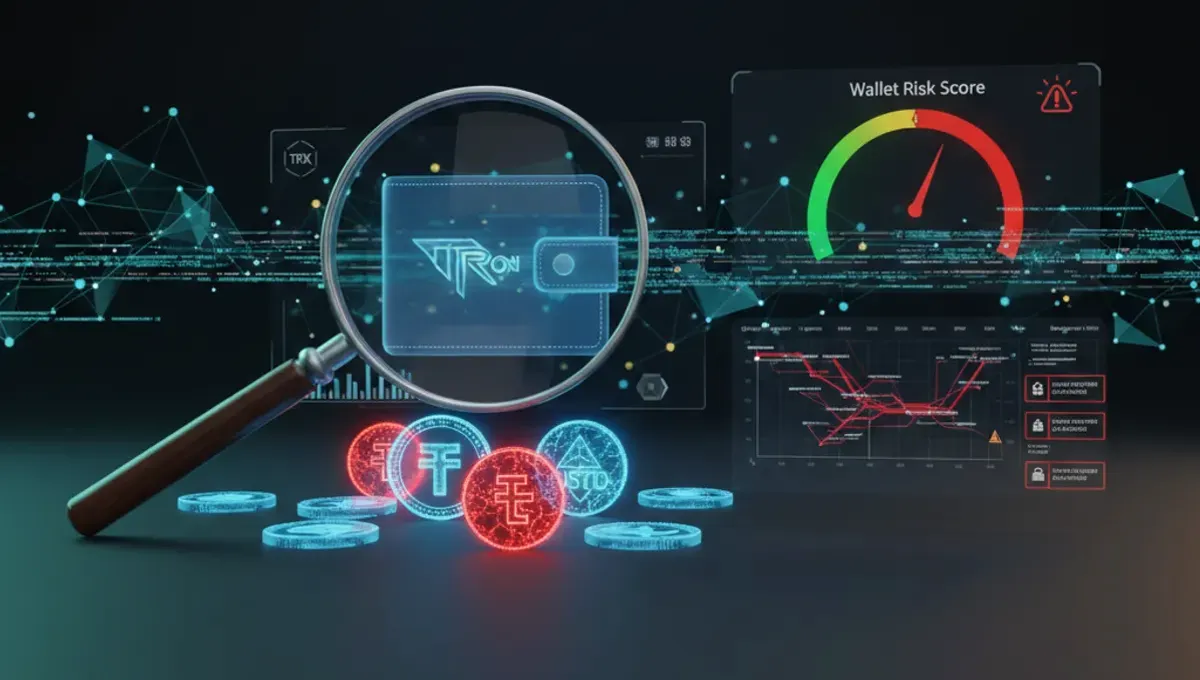
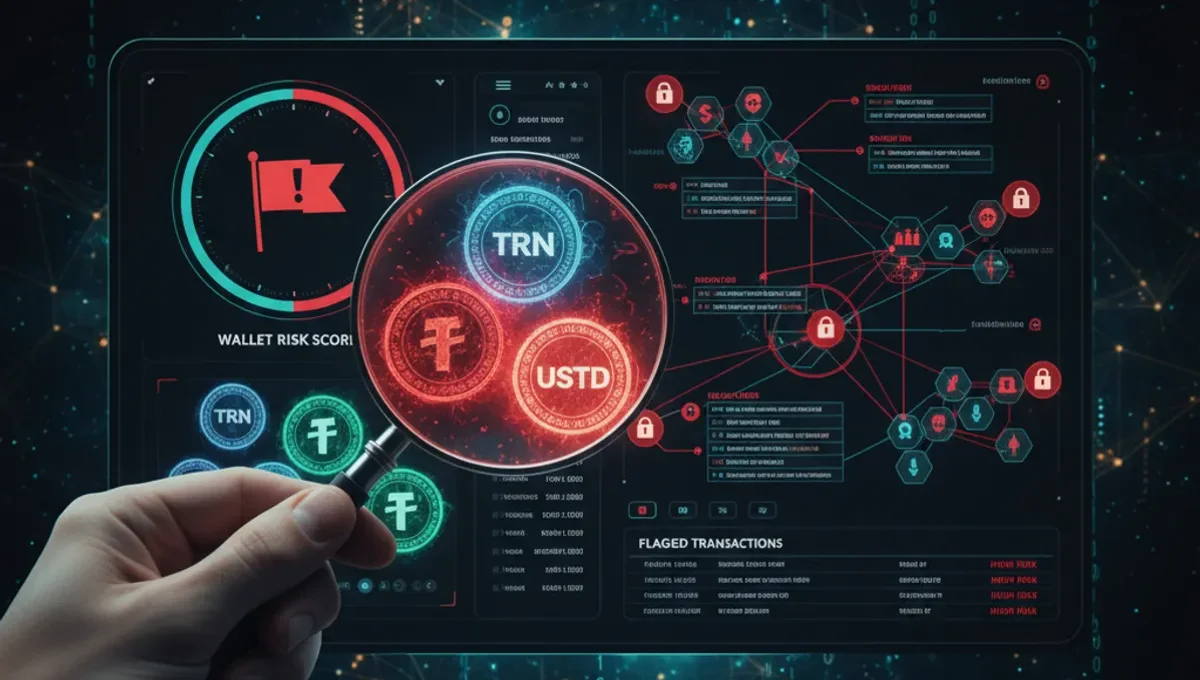
An AML risk score is a numerical rating that reflects the likelihood a wallet or transaction is connected to illicit activity. Scores typically range from 0 to 100, with higher numbers indicating greater risk. A score of 0–20 is usually considered low risk and acceptable for most transactions. Scores of 21–50 are moderate risk and may trigger additional scrutiny or manual review. Scores above 50 are high risk and often result in transaction blocks, account freezes, or mandatory reporting. The score is calculated by analyzing the wallet's transaction history, connected addresses, time patterns, and behavioral data. Blockchain analytics firms and KYT (Know Your Transaction) providers use machine learning to detect these patterns. When you what does AML check mean in practice, it means running a wallet through these scoring systems to determine if it is safe to accept funds from it.
How to Check a Wallet for Red Flags Before Accepting Funds
Before accepting a large deposit of USDT, TRX, or Bitcoin, screen the sending wallet for red flags. Here is the practical process: First, obtain the wallet address from the sender. Second, use a blockchain analytics or KYT service to run a compliance check on that address. Third, review the risk score and any flagged categories—mixers, darknet, sanctions, stolen funds. Fourth, examine the transaction history to see if there are rapid movements, unusual patterns, or suspicious counterparties. Fifth, check if the address appears on any public blacklists or sanctions databases. If the risk score is below 30 and there are no critical red flags, the wallet is generally safe. If the score is above 50 or multiple red flags are present, decline the transaction or escalate to your compliance team. Many trusted AML services on our verified list offer wallet screening tools that automate this process and provide detailed reports.
What Happens When Red Flags Are Detected
When an exchange or custodian detects red flags on a wallet or transaction, several outcomes are possible. The transaction may be blocked in real time before settlement. The account may be frozen pending manual review by the compliance team. Funds may be held in escrow while the source is investigated. In severe cases, accounts are permanently closed and funds are forfeited or reported to authorities. For users receiving tainted coins, the risk is that those coins become flagged in their own wallet, making it difficult or impossible to withdraw or trade them later. Some exchanges will freeze USDT or other stablecoins if they detect they originated from a mixer or sanctioned entity. This is why understanding what is aml crypto and performing due diligence on incoming funds is essential. The cost of remediation—legal fees, lost trading opportunities, account recovery efforts—far exceeds the cost of an AML fee charged upfront by a compliance service.
Red Flags vs. Acceptable Risk: Practical Thresholds
Not all flagged activity is equally serious. A wallet with a single transaction to a gambling platform may have a moderate risk score but be perfectly acceptable depending on your jurisdiction and risk appetite. A wallet with mixer exposure and darknet connections is almost never acceptable. Here are practical thresholds: Risk score 0–20: Accept without hesitation. Risk score 21–40: Accept with caution; review transaction history manually. Risk score 41–60: Require additional documentation or decline. Risk score 61–100: Decline unless there is a clear explanation and manual approval from compliance. Red flags that are almost always disqualifying: active sanctions list match, recent theft victim status, confirmed darknet market connection, or ongoing mixer activity. Red flags that may be acceptable with context: old transactions to delisted exchanges, historical gambling activity with no recent pattern, or a single transaction to a privacy service years ago. The key is proportionality: assess the size of the transaction, the sender's reputation, and your own risk tolerance.
How to Avoid Receiving Tainted Coins and Protect Your Account
Prevention is simpler than remediation. Always screen wallets before accepting deposits. Use the verified AML services listed on our curated directory to run compliance checks—this is the safest starting point and ensures you are using tools trusted by exchanges and institutions. Request wallet verification from counterparties: ask them to provide proof that their wallet is compliant or has a low risk score. Maintain detailed records of all incoming transactions and the screening results; this protects you if regulators or your exchange ever questions the source of your funds. Set internal thresholds: for example, decline any transaction from a wallet with a risk score above 40. Educate yourself on what is red flag in aml so you can spot obvious warning signs—rapid movements, mixer transactions, or suspicious timing. If you are unsure, ask. Most legitimate users are happy to provide wallet history or proof of compliance. If someone refuses or becomes defensive, that is itself a red flag. Finally, never accept unsolicited offers to trade or receive large sums from unknown parties; these are often scams or attempts to launder funds through your account.
Frequently asked questions
What is AML crypto and how does it apply to me as a user?
AML crypto refers to anti-money laundering compliance rules applied to cryptocurrency transactions. As a user, it means exchanges and custodians screen your wallet and incoming funds for red flags. If your wallet is flagged, your account may be frozen or your transactions blocked. Understanding AML helps you avoid receiving tainted coins and keeps your account in good standing.
What is a Tron address and can it have red flags?
A Tron address is a wallet identifier on the Tron blockchain, used to send and receive TRX and USDT TRC20 tokens. Yes, Tron addresses can have red flags just like Bitcoin or Ethereum addresses. They can be linked to mixers, darknet activity, sanctions, or stolen funds. Always screen a Tron address before accepting a large deposit.
What does AML check mean and why should I do one before accepting funds?
An AML check is a compliance screening that analyzes a wallet's transaction history, risk score, and connections to illicit activity. You should do one before accepting funds because it protects you from receiving frozen or tainted coins, which can result in your own account being restricted or banned by exchanges.
How much does an AML fee cost and is it worth it?
AML fees vary by service and volume, typically ranging from a few dollars per check to monthly subscriptions for high-volume users. It is worth the cost because a single frozen deposit or account ban costs far more in lost time and opportunity. Check our verified AML services directory for pricing and options.
What should I do if I receive coins flagged as having red flags?
If you receive flagged coins, do not attempt to move them immediately. Contact the sender and ask them to explain the red flags or resend from a compliant wallet. If you cannot resolve it, hold the coins and do not trade them; moving them may trigger your exchange account to be frozen. Consult your exchange's compliance team for guidance.