What Are OFAC Sanctions Screening Requirements
OFAC (Office of Foreign Assets Control) maintains lists of sanctioned individuals, entities, and jurisdictions. Crypto businesses must screen wallet addresses and transaction counterparties against these lists as part of their compliance obligations. The primary OFAC list is the SDN (Specially Designated Nationals) list, which contains thousands of blocked entities. Additional lists include the Consolidated Non-SDN List and country-specific sanctions programs. Screening requirements apply to all crypto transactions above certain thresholds and to high-risk jurisdictions. The requirement is not optional—it is a legal mandate for any platform handling customer funds or facilitating transactions. Exchanges that fail to screen wallets face civil penalties, criminal liability, and license revocation.
Types of Sanctions Screening in Crypto Compliance
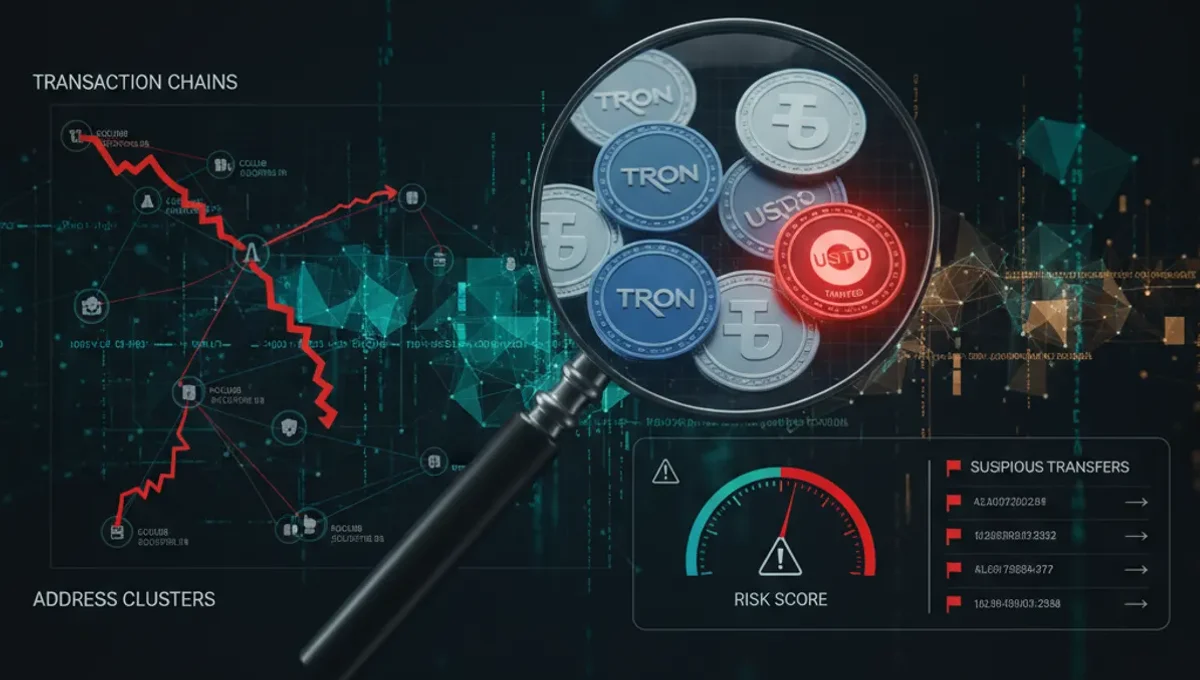
Sanctions screening encompasses several distinct checks. Name-based screening matches wallet owner names against OFAC lists. Address-based screening identifies wallets that have received funds from or sent funds to sanctioned entities. Blockchain transaction monitoring tracks the movement of tainted coins through the blockchain to detect indirect exposure to sanctioned parties. Jurisdictional screening flags transactions involving high-risk or embargoed countries. Beneficial ownership screening verifies the true owner of a wallet to prevent sanctions evasion through shell entities. Real-time screening occurs at transaction initiation to block prohibited transfers immediately. Periodic rescreening monitors existing customer wallets against updated OFAC lists. Each type of screening serves a specific compliance purpose and together they form a comprehensive sanctions detection framework.
AML Check Requirements and Sanctions Screening Integration
AML (Anti-Money Laundering) check requirements and OFAC sanctions screening work together but serve different purposes. AML checks identify suspicious transaction patterns, source of funds, and money laundering red flags such as structuring or rapid movement of large sums. OFAC screening specifically blocks transactions with sanctioned parties. Both are mandatory under U.S. law and international compliance standards. A wallet may pass AML checks but fail OFAC screening if it has received funds from a sanctioned entity. Conversely, a wallet may pass OFAC screening but trigger AML alerts if transaction behavior suggests money laundering. Crypto platforms must implement both controls simultaneously. The integration of AML and OFAC screening creates a layered defense that catches both known bad actors and suspicious financial behavior.
How to Implement Crypto Wallet Screening for OFAC Compliance
Implementing OFAC-compliant wallet screening involves several steps. First, establish a screening policy that defines which transactions and wallet types require screening. Second, select a screening tool or service that maintains updated OFAC lists and can query blockchain data. Third, screen all incoming wallet addresses before accepting deposits. Fourth, screen transaction counterparties in real time during fund transfers. Fifth, maintain audit logs documenting all screening results and decisions. Sixth, establish a process for handling matches—including manual review, customer notification, and regulatory reporting. Seventh, resceen existing customer wallets periodically as OFAC lists are updated. The screening process should be automated where possible to reduce false negatives and ensure consistent application. Many platforms use third-party blockchain analytics providers to handle wallet screening and sanctions detection, which is more efficient than manual review.
Fake Crypto Wallet Screening and Sanctions Evasion Risks
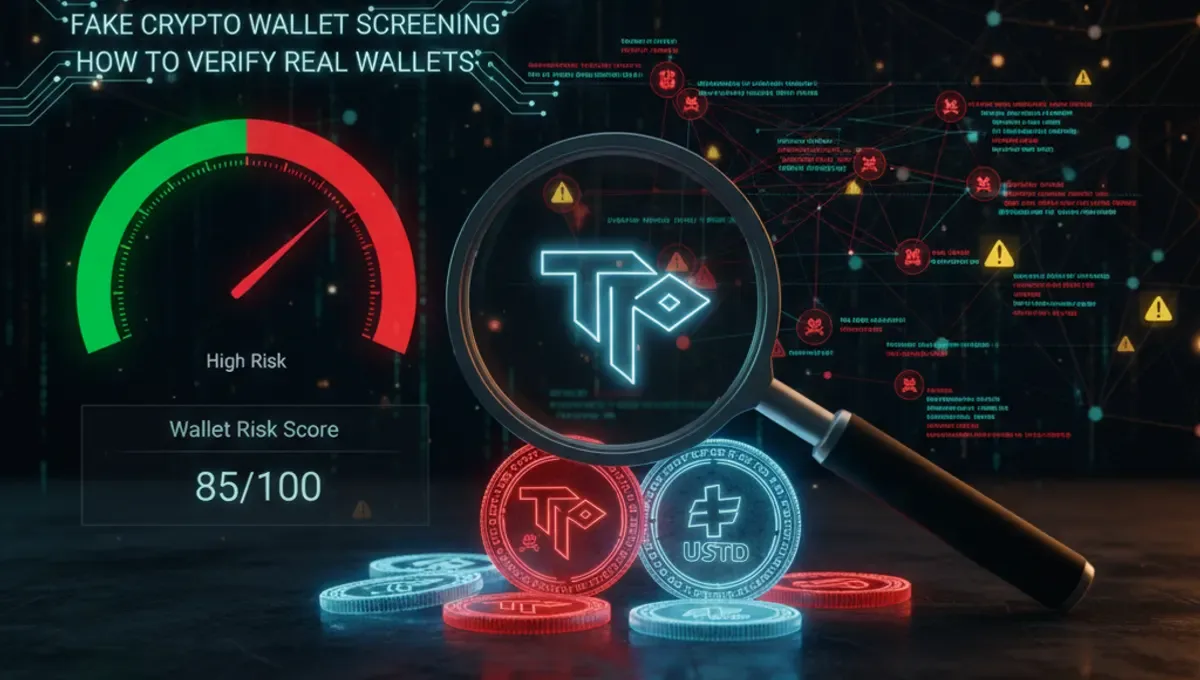
Fake crypto wallet screening—or inadequate screening—creates significant compliance and financial risk. Bad actors attempt to evade sanctions by using multiple wallets, mixing services, and routing funds through legitimate-looking addresses. Fake wallet addresses may appear legitimate but are controlled by sanctioned entities or used to launder proceeds from illegal activity. Screening tools that rely only on name matching or outdated OFAC lists miss these evasion techniques. Blockchain transaction monitoring is essential to detect fake wallets that have received funds from sanctioned sources. Some wallets may have no direct OFAC match but show transaction patterns consistent with sanctions evasion, such as rapid mixing or movement through multiple jurisdictions. Comprehensive wallet screening must combine OFAC list matching with behavioral analysis and transaction history review. Exchanges that accept deposits from fake or evasion-linked wallets face account freezes, regulatory action, and reputational damage.
Risk Score Thresholds and Sanctions Screening Decisions
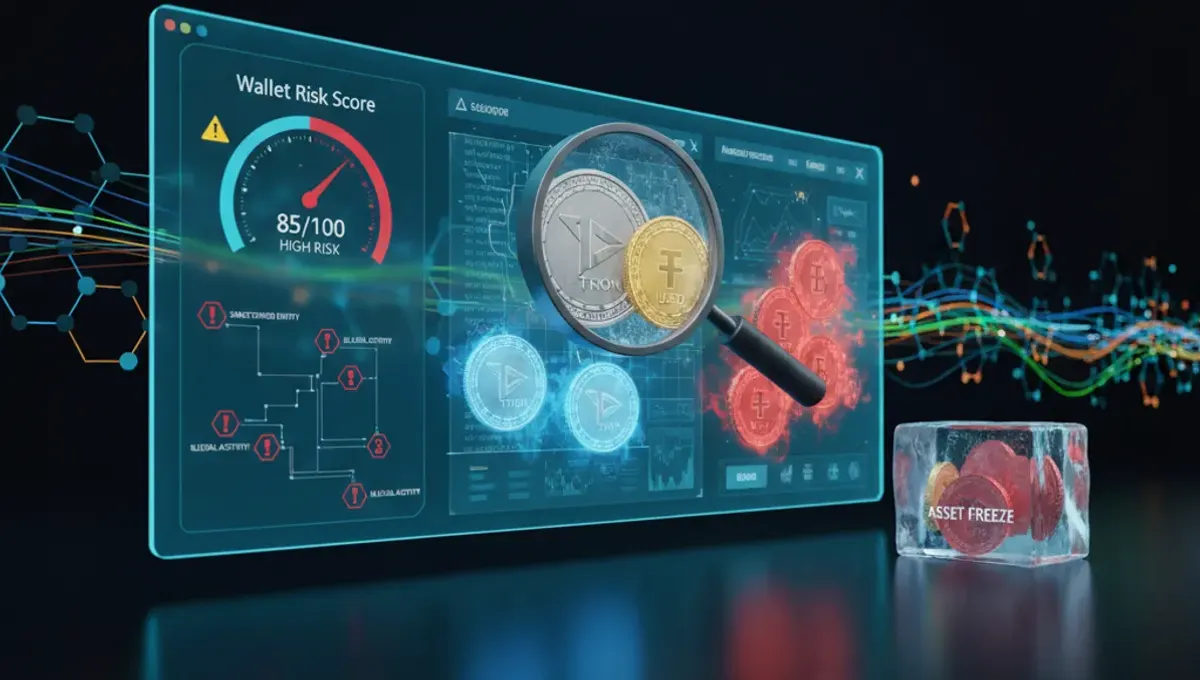
Risk scores quantify the likelihood that a wallet is associated with sanctions violations or money laundering. A risk score typically ranges from 0 (low risk) to 100 (high risk). Wallets with direct OFAC matches receive a score of 100 and must be blocked immediately. Wallets with transaction history linked to sanctioned entities receive elevated scores (typically 70-99) and require manual review or rejection. Wallets with indirect exposure—such as receiving funds from a mixer that has processed sanctioned funds—receive moderate scores (40-69) and may be accepted with enhanced monitoring. Wallets with minimal risk indicators receive low scores (0-39) and are typically accepted without additional review. Acceptable risk score thresholds vary by platform and jurisdiction. Conservative platforms may reject any wallet scoring above 50. Others may accept scores up to 70 with enhanced due diligence. Regulatory guidance does not specify exact thresholds, so platforms must document their risk tolerance and apply it consistently.
What to Do If Your Wallet Is Flagged During Sanctions Screening
If your wallet is flagged during OFAC sanctions screening, the first step is to contact the platform's compliance team to understand the reason for the flag. A flag may result from a false positive—such as a name match with a sanctioned entity that is not actually you. You can provide documentation proving your identity and legitimate source of funds. If the flag is based on transaction history, you may be able to explain the source of the funds or demonstrate that you were unaware of the wallet's prior associations. Platforms must provide reasonable opportunity for customers to dispute flags before freezing accounts. However, if a wallet has direct OFAC matches or clear evidence of sanctions evasion, it will be blocked and funds may be frozen pending regulatory review. To avoid flags, use wallets with clean transaction histories and avoid receiving funds from mixers, darknet markets, or high-risk sources. Checking a wallet's risk score before receiving large transfers is the best preventive step.
Frequently asked questions
What is the difference between OFAC screening and AML checks
OFAC screening blocks transactions with sanctioned entities on U.S. Treasury lists. AML checks detect suspicious transaction patterns and money laundering behavior. Both are required by law. A wallet may pass one but fail the other. OFAC screening is binary—a match means block. AML checks produce risk scores that inform accept/reject decisions.
Do I need to screen every crypto wallet before receiving funds
Yes, best practice is to screen any wallet sending you significant amounts. Most exchanges screen automatically. For peer-to-peer transfers, you should check the sender's wallet address using a blockchain analytics tool before accepting funds. This prevents you from receiving tainted coins that could later be frozen or flagged.
What happens if I receive USDT from a sanctioned wallet
If you receive USDT from a sanctioned wallet, your receiving wallet may be flagged or frozen by exchanges during compliance screening. The funds may be seized or held pending regulatory review. You could lose access to the funds entirely. Always verify the source wallet's risk score before accepting large transfers, especially for USDT on TRC20 or other networks.
How often are OFAC lists updated
OFAC updates its SDN list and other sanctions lists continuously as new entities are designated or removed. Screening tools should refresh OFAC data daily or more frequently. Platforms must resceen existing customer wallets periodically to catch newly sanctioned addresses. Outdated screening data creates compliance gaps and regulatory risk.
Can I dispute an OFAC sanctions flag on my wallet
Yes, you can dispute a flag if you believe it is a false positive or based on incorrect information. Contact the platform's compliance team with documentation of your identity and source of funds. However, if your wallet has direct OFAC matches or clear evidence of sanctions evasion, the flag cannot be overridden and funds will remain frozen.