What Is an AML Locator and Why You Need One
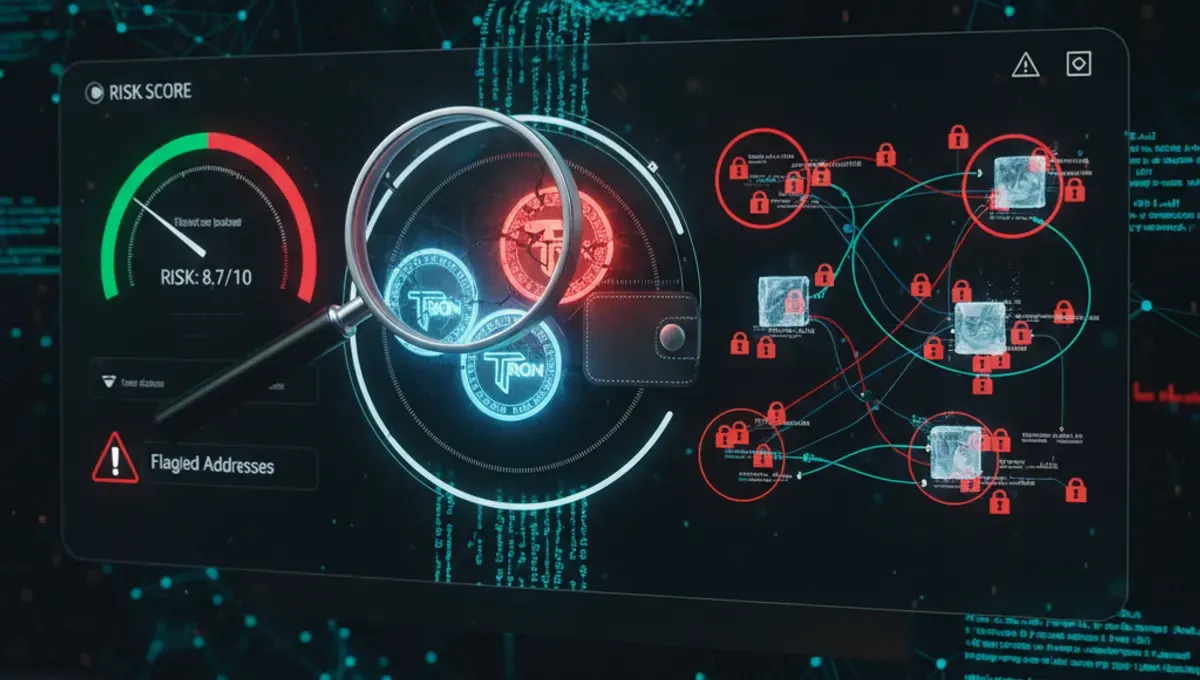
An AML locator is a blockchain analytics platform that screens wallet addresses for compliance risk. It cross-references a wallet's transaction history against known risk indicators: mixer usage, darknet market exposure, stolen funds, sanctions-list entities, and gambling platforms. When you run an AML check on a crypto wallet, the tool returns a risk score and a detailed report showing where the funds originated and whether they've been flagged by exchanges or law enforcement. For anyone receiving USDT on TRC20, Tron addresses, or Bitcoin, an AML locator acts as an early warning system. Exchanges and custodians use these tools to prevent account freezes caused by receiving tainted coins. A single deposit from a compromised wallet can trigger your account to be locked, your funds held, or your withdrawal privileges revoked—even if you didn't know the source was problematic. Running an AML check before accepting a large transfer takes minutes and can save you from compliance headaches.
How AML Check Processes Work: Step-by-Step
Most AML locators follow a similar workflow. First, you enter a wallet address (TRX, USDT, BTC, or ETH). The tool then queries blockchain data and internal risk databases to trace the wallet's transaction history. The system flags any connection to known risk categories: mixers (which obscure fund origins), darknet markets, stolen-fund registries, sanctioned entities, and gambling platforms. Within seconds to minutes, you receive a risk score—typically on a scale from 0 (clean) to 100 (high risk)—plus a detailed breakdown. The report shows the wallet's age, transaction volume, and specific risk flags. Some tools offer batch checking for multiple addresses and API access for automated screening. The AML check requirements vary by service: some require email signup, others let you check anonymously. Most platforms store your reports for compliance audit trails, which is valuable if regulators or exchanges question your due diligence.
Understanding AML Risk Scores and Thresholds
An AML risk score quantifies the likelihood that a wallet is connected to illicit activity. Scores typically range from 0–100, though some platforms use percentage or categorical scales. A score of 0–20 usually indicates low risk: the wallet has clean transaction history, no mixer exposure, and no known sanctions links. Scores of 21–50 suggest moderate risk: perhaps the wallet has used a privacy tool or received funds from a mixing service, but not necessarily from a criminal source. Scores above 50 signal high risk and warrant caution or rejection. Most exchanges and compliance teams set acceptable thresholds at 20–30, meaning they'll accept wallets below that score and scrutinize or decline those above. However, thresholds depend on your risk appetite and regulatory environment. A financial institution may accept only scores below 10, while a peer-to-peer trader might accept up to 40. The key is defining your threshold before you receive funds, so you have a clear policy to follow.
AML Check Fee Structures and Pricing Models
AML locator pricing varies widely depending on the service, volume, and features. Some platforms offer a free tier with limited checks per month—typically 1–5 lookups—useful for occasional users or testing. Pay-as-you-go models charge per check, ranging from a few cents to several dollars per wallet scan, depending on report depth and data freshness. Subscription plans are common for businesses: monthly fees might range from $50 to $500+, covering a set number of checks and API access. Enterprise solutions with custom integrations and dedicated support cost significantly more. When evaluating AML check fees, consider what's included: does the fee cover just a risk score, or a full transaction history report? Do you get API access for automated screening? Is there a batch-check discount? For most crypto users and small businesses, a pay-as-you-go or modest subscription plan is sufficient. Our curated list of verified AML services on this site breaks down pricing transparently, so you can compare options without hidden costs.
Key Risk Categories: What AML Locators Flag
AML locators monitor several specific risk categories. Mixers and tumblers are services designed to obscure transaction origins; any wallet that has sent funds to a mixer is flagged because the intent is often to hide illicit sources. Darknet markets (illegal marketplaces) are tracked via known addresses and transaction patterns; wallets linked to these markets are high-risk. Stolen funds registries catalog addresses associated with hacks, theft, or fraud; receiving from a stolen-funds address can trigger exchange freezes. Sanctions lists include addresses linked to governments, entities, or individuals under international sanctions; transacting with sanctioned addresses violates compliance law in many jurisdictions. Gambling platforms are flagged in some jurisdictions as high-risk due to regulatory concerns. Scam and Ponzi scheme addresses are tracked based on community reports and law enforcement data. A single connection to any of these categories doesn't automatically make a wallet unusable, but it raises the risk score and warrants investigation before accepting large transfers.
How to Check a Wallet Before Receiving USDT or TRX
Before accepting a deposit, follow these steps. First, ask the sender for their wallet address. Second, copy the address into an AML locator tool—use one of the verified services listed on our AML Services page for reliability. Third, review the risk score and report. If the score is below your acceptable threshold (typically 20–30), the wallet is likely safe. If the score is high or flags appear, contact the sender to understand the history. They may have received funds from a mixer unknowingly, or the flag may be a false positive. Fourth, if you're unsure, request the sender use a different wallet or decline the transfer. Fifth, keep the AML report for your records; it documents your due diligence if an exchange later questions the deposit. For USDT on TRC20 and Tron addresses, the process is identical—enter the TRX address into the locator and wait for results. This five-minute check can prevent account freezes and compliance violations.
Comparing AML Locator Services: What to Look For
When choosing an AML locator, evaluate several factors. Data coverage: does the tool track all blockchains you use (Tron, Bitcoin, Ethereum, etc.)? Update frequency: are risk databases refreshed daily or weekly? Report depth: do you get just a score, or detailed transaction history and risk explanations? User experience: is the interface intuitive, or does it require technical knowledge? API availability: if you need automated screening, does the service offer an API? Customer support: can you reach someone if you have questions about a report? Pricing transparency: are fees clearly listed, or hidden behind signup walls? Compliance audit trail: does the service store reports for regulatory review? Our verified AML services list on this site compares these factors across trusted platforms, helping you avoid unreliable or overpriced tools. Start there to narrow your options, then test a few services with a known wallet address to see which fits your workflow best.
Frequently asked questions
What does an AML locator do?
An AML locator screens cryptocurrency wallets against sanctions lists, darknet databases, and stolen-fund registries. It returns a risk score and report showing whether a wallet is connected to illicit activity, mixers, or high-risk sources. This helps you avoid receiving tainted coins that could freeze your exchange account.
How much does an AML check cost?
AML check fees range from free (limited checks per month) to a few dollars per check on pay-as-you-go plans. Subscriptions typically cost $50–$500+ monthly for businesses. Enterprise solutions cost more. Compare pricing on our verified AML services list to find a plan matching your volume and budget.
What is an acceptable AML risk score?
Most compliance teams accept risk scores below 20–30. Scores of 0–20 indicate low risk; 21–50 suggest moderate risk; above 50 is high risk. Your threshold depends on your risk tolerance and regulatory requirements. Set a clear policy before receiving funds so you have consistent criteria.
Can an AML check prevent my account from being frozen?
Yes. By screening wallets before accepting deposits, you avoid receiving flagged or tainted coins. Exchanges freeze accounts when they detect high-risk inbound transfers. Running an AML check beforehand documents your due diligence and reduces the likelihood of compliance issues.
Do I need an AML locator for small crypto transfers?
Even small transfers can carry risk if the source is flagged. A single deposit from a sanctioned or stolen-funds address can trigger account freezes regardless of amount. Running a quick AML check on any incoming wallet is a best practice, especially for USDT and TRX on Tron.